

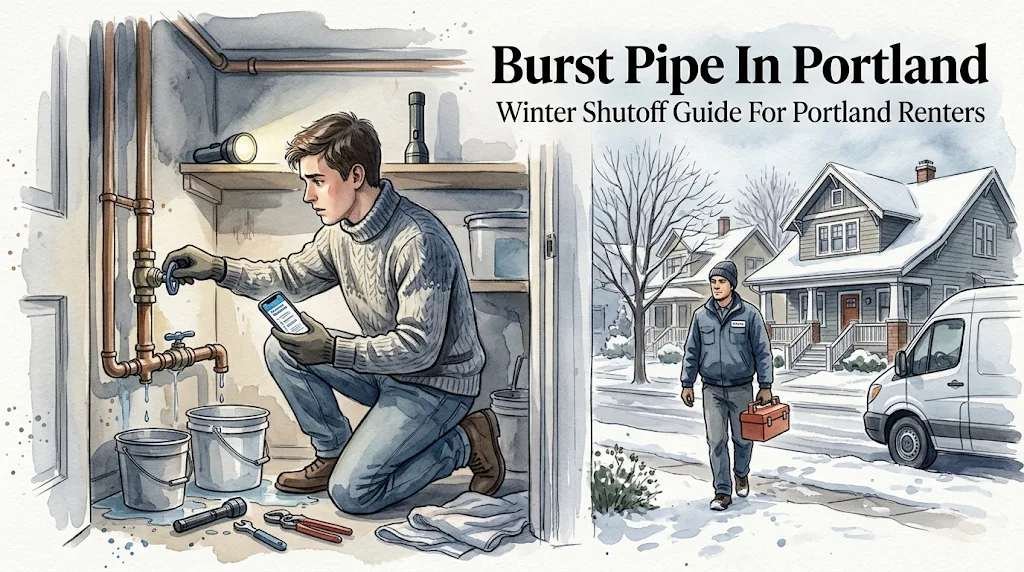
Imagine waking up to the sound of rushing water and finding your apartment floor already soaked. In Portland’s chilly winters, renters often face this reality when freezing temperatures cause pipes to burst overnight. The National Weather Service in Portland issues cold weather advisories and winter storm warnings when these freezes are on the way. The immediate question is what you can do, especially when you don’t own the property or have access to all the plumbing. Quick action can mean the difference between a minor inconvenience and extensive water damage. Understanding where to find the main water shutoff and how to communicate with your landlord is critical for every Portland renter dealing with a sudden burst pipe during winter.
Finding Your Main Water Shutoff Valve In A Portland Rental
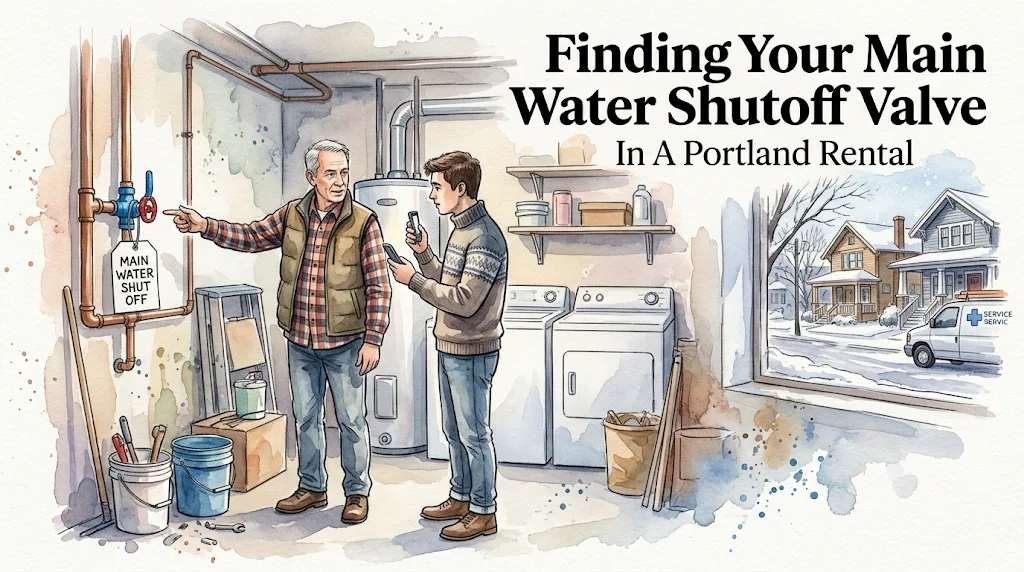
When a burst pipe floods an apartment in Portland, the first step is to locate and use the main water shutoff valve. In most Portland rentals, the main shutoff is usually found in the basement, a utility closet, or near the water heater. Knowing the exact location before an emergency arises can save valuable minutes when every second counts. Renters should ask their property manager or landlord to physically show them this valve and explain how to turn it off, as each building’s plumbing can differ. If you encounter a Burst Pipe in Portland situation, turning off the main valve stops the flow and limits structural damage until professional help arrives. This basic step is the foundation of any winter shutoff plan for local renters.
Portland Winter Weather And Common Burst Pipe Causes
Portland’s winter climate, with its occasional deep freezes, creates prime conditions for water inside pipes to freeze and expand. Pipes most at risk are those running through unheated spaces, such as exterior walls, crawl spaces, and garages. When ice forms inside these pipes, the expanding ice creates pressure that can split metal or plastic, leading to sudden leaks. Some older rental properties in Portland may have plumbing that lacks proper insulation, increasing the risk. Understanding the connection between freezing temperatures and pipe bursts helps renters recognize the urgency of preventive steps and quick shutoff responses. The city’s winter patterns mean that even renters who have never experienced a plumbing issue before should be prepared for this scenario. Guidance on how to protect pipes from freezing is widely available and recommended for all renters in the area.
How Renters Can Shut Off Water During A Plumbing Emergency

Renters without direct access to the main shutoff valve may still have options to contain water damage. Some apartments have individual shutoff valves under sinks or behind toilets, which can halt water flow to a specific fixture if the burst is localized. For a major leak or burst in the main line, turning off the main valve is the only way to stop water throughout the unit. Renters should check their lease or building manual for valve locations and confirm with their landlord or property manager before an emergency occurs. In shared buildings, main shutoff access may be restricted, so renters need to know who to contact immediately if they cannot reach the valve themselves. The Portland Water Bureau’s winter plumbing guidance covers emergency shutoff steps, and the bureau’s 24-hour emergency line at 503-823-4874 can help if no one can reach the valve. Following these procedures can help minimize property damage while waiting for professional repairs.
Landlord Contacts, Emergency Repairs, And Burst Pipe Prevention
Oregon’s Residential Landlord and Tenant Act, ORS Chapter 90, requires landlords to maintain plumbing in good working order, but renters must report problems as soon as possible. Keep the landlord’s emergency contact information readily available, and notify them immediately after shutting off the water. In larger apartment complexes, on-call maintenance or building management may be the first point of contact. Renters should follow up in writing to document the incident and the steps taken. Preventive measures, such as opening cabinet doors to let warm air reach pipes and letting faucets drip during freezes, can reduce the risk of future bursts. If your rental has had a burst pipe before, a winter shutoff plan is more than a one-time fix. It’s an ongoing safety practice. Requesting that the landlord insulate exposed pipes or address drafty areas is a reasonable step for renters who want to avoid repeat incidents.
Conclusion
Every Portland renter should locate their main water shutoff valve and know how to use it before winter arrives. Take time to clarify your building’s emergency procedures and confirm your landlord’s after-hours contact details. Acting quickly in a burst pipe emergency limits water damage and speeds up repairs, protecting both your home and your belongings. The EPA’s guide to mold, moisture and your home explains why drying wet areas quickly matters once the water is off.
Disclaimer: This article is for general information only and is not legal advice. Check your lease and contact your landlord or a licensed plumber for repairs in your rental.