


Read this Bali Travel Guide to help you plan where to eat, and the best spots to explore. Let your Bali adventure be as magical as you’ve always imagined
The only Bali guide you’ll ever need From beach clubs & sunset cocktails To volcano treks, rice terraces & hidden waterfalls
Bali travel guide Fsiblog By Shenne Perfect if you’re visiting for the first time or want to make the most of your time on the island
Saved you hours of research
If Bali is on your 2026 vision board this is your sign. Save it. Share it. Send it to your travel partner.
Bali Travel Guide

- Bali travel guide,
- Bali beach clubs
- Ubud cafes
- Bali resorts
- Mount Batur trek
- Gili Trawangan
- Seminyak nightlife
- Bali adventures
- Bali honeymoon
- Bali travel tips
- Indonesia travel
- Girl’s trip
- Solo Trip
- Bali Party Night
The Bali Travel Guide I needed before our family trip would not have started with a list of twenty-five places I absolutely had to see.
It would have started with a much less exciting sentence:
Bali takes longer than it looks.
I learned that while sitting in traffic with Bentley and Harley in the back seat, watching the arrival time on my phone move farther away instead of closer.
We had left that morning thinking we had built a sensible day.
A cultural stop.
Lunch.
Another attraction.
Back toward the coast before evening.
On the map, the distances looked manageable. In my head, Bali was still functioning like one compact holiday island where everything important sat comfortably beside everything else.
Then the road slowed.
Motorbikes filled every possible gap. Cars moved a few metres and stopped. A ceremony farther along changed the normal traffic flow, and the boys eventually asked the question every parent hears when a journey has lasted longer than expected.
“How much longer?”
I looked at my phone.
I did not know.
That afternoon did more for my understanding of Bali than hours of trip research.
Bali was not difficult.
My plan was difficult.
I had planned attractions by distance instead of planning days around geography, traffic, weather, family energy, and the fact that two children do not care how beautifully a travel itinerary fits inside a spreadsheet.
Once I stopped trying to complete Bali and started actually experiencing it, our trip became much better.
This is the Bali Travel Guide I wish I had before we went.
Not the perfect version of Bali.
The version with wet swimsuits, temple sarongs, traffic, hungry children, monkeys I did not want anywhere near our snacks, beautiful mornings, tired afternoons, unexpected quiet moments, and two boys who repeatedly reminded me that their favorite part of a trip is not always the part I spent the most time planning.
Bali Is Not One Holiday Experience

Before our trip, I kept hearing people say they were “going to Bali” as though that described one type of holiday.
It does not.
The official Indonesia tourism guide to Bali describes a surprisingly varied island, from busy beach areas and resort zones to Ubud’s cultural landscape, mountain regions, temples, coastal cliffs, diving areas, and quieter communities. It also warns travelers that traffic in populated parts of the island can become heavily congested.
That was the first thing I wish I had understood properly.
Choosing Bali is only the beginning.
Choosing where in Bali to base the family affects almost everything that happens after the airport.
A family wanting an easy beach routine may make a different choice from someone planning rice terraces, temples, art, and countryside days.
Someone interested in restaurants and a lively atmosphere may choose differently again.
Trying to make one hotel equally convenient for every part of the island was where I began overcomplicating our trip.
Our First Real Bali Lesson Happened in the Car
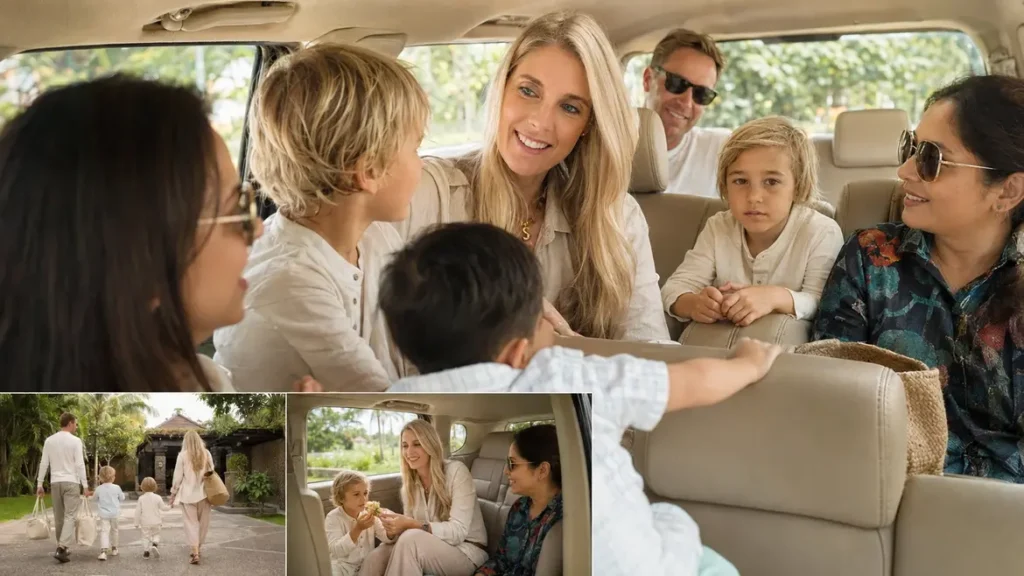
Bentley is the child who can make almost any journey interesting for the first part.
He notices unusual vehicles.
Roadside shops.
Signs.
Dogs.
Buildings.
Anything moving.
Harley has a different internal clock.
When Harley has decided that a car journey has lasted long enough, the entire car tends to become aware of it.
That combination taught me quickly that estimating a family journey by kilometres was not enough.
A drive that looked short could occupy a meaningful part of the morning.
I stopped looking at Bali as a collection of pins and started looking at it as several areas.
If we were spending a day around Ubud, we stayed around Ubud mentally.
If we were having a coastal day, I stopped trying to add a famous inland attraction simply because technically it could fit.
That single decision created more breathing room than any clever itinerary trick.
My own family travel tips make much more sense to me after Bali. Children usually handle trips better when there is enough food, rest, predictability, and space between major activities. Bali showed me what happens when I ignore my own advice because a destination makes me too ambitious.
If I Were Choosing a Bali Base Again, I Would Choose by Family Rhythm
I would not ask, “What is the best part of Bali?”
I would ask, “What do we want mornings and evenings to feel like?”
That question would have saved me so much research.
Ubud Felt Like the Bali I Had Imagined
Ubud gave me the greenery, temples, art, traditional architecture, and cultural atmosphere that had lived in my mind before the trip.
The boys noticed completely different things.
I would be looking at a carved entrance or beautiful landscape while Bentley wanted to know what was moving in a tree.
Harley could become fascinated by something as simple as an offering we carefully walked around.
The official tourism information for Ubud describes the area as one of Bali’s cultural centres, surrounded by art, temples, forest and rice-growing landscapes.
I loved that side of Bali.
I would simply not treat Ubud as a quick box to tick between beach activities.
It deserves time.
So do children.
The morning we enjoyed most was not the one with the most stops.
It was the one where we allowed ourselves to remain in the area instead of continuously calculating what we could fit in next.
Sanur Made Sense to Me as a Family Base
Sanur felt different.
The atmosphere was easier for the kind of mornings when nobody wanted an enormous plan.
The official tourism information describes a paved beachfront path running for kilometres along Sanur, which is one reason the area can work nicely for walking and cycling as well as beach time.
I began appreciating places where the family could simply leave the room and do something without turning it into an expedition.
A family holiday needs those days.
It cannot all be temples, transfers, tickets, and carefully timed sunsets.
Sometimes Bentley and Harley needed a pool or beach more than they needed another famous attraction.
Sometimes I did too.
Nusa Dua Felt More Self-Contained
Nusa Dua appealed to the part of me that occasionally wants a holiday to be easy.
The official Indonesia tourism page describes it as a purpose-built resort area with hotels, beaches, and facilities concentrated together. Its shallow coastal waters and resort environment are also promoted for family holidays.
It is a different Bali experience from Ubud.
That is not a criticism.
I stopped judging areas by which one felt the most “authentic” and started asking what job each part of the trip was doing.
Ubud gave us culture and inland scenery.
A coastal base gave us slower mornings and water.
Those things can coexist in the same trip without one being more legitimate.
Uluwatu Was Beautiful, but I Would Build the Day Around It
Uluwatu is not somewhere I would casually add after an already full day.
The setting deserves more than exhausted children and a parent watching the time.
The official guide to Uluwatu Temple describes the temple’s cliffside setting and visitor etiquette, including appropriate clothing and respectful behavior around worship and sacred structures.
I wish I had understood earlier that a temple day has its own pace.
Walking.
Heat.
Steps.
Stopping.
Waiting.
Explaining things to children.
Keeping hold of belongings.
Finding food.
Watching the boys when the cliff view was more interesting to me than it was to them.
A destination can take twenty minutes to photograph and several hours to experience properly.
Those are very different measurements.
The Monkey Moment Changed the Way I Managed the Boys Around Animals

The monkeys were one of the things Bentley was most excited to see.
Of course they were.
They are monkeys.
To a child, that is already enough.
To me, the first few minutes were a mixture of fascination and silently counting where everybody’s hands, glasses, food, and belongings were.
I had read warnings about monkeys taking loose objects.
Seeing an animal move toward another visitor’s bag made the advice feel much less theoretical.
The official Ubud information tells visitors to secure belongings around the macaques.
I also became much stricter about animal contact after reading the CDC’s Indonesia travel-health guidance. The CDC advises travelers to avoid unfamiliar dogs, cats, monkeys, and other mammals because rabies remains a health concern in Indonesia, and it recommends prompt medical attention after a bite or scratch.
That changed the experience for me.
We could enjoy seeing animals without treating wildlife like part of a petting zoo.
I did not need Bentley or Harley to touch a monkey for the story to count.
In fact, one of my strongest Bali parenting rules became very simple:
Observe wildlife.
Do not create an interaction for the photograph.
I Wish Someone Had Explained Bali’s Cultural Rules Before the Pretty Temple Photos
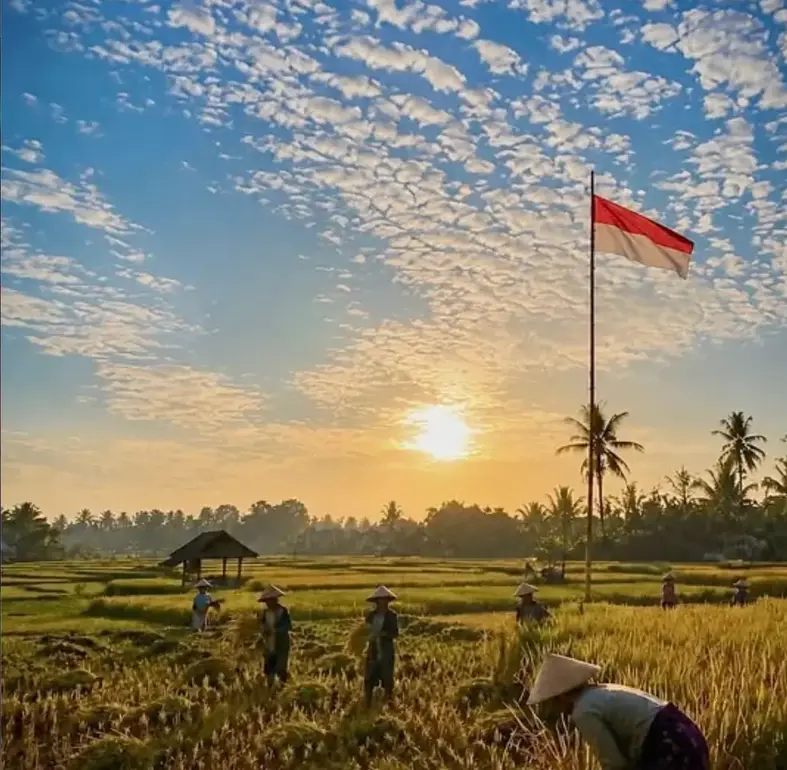
Before Bali, I had seen thousands of temple photographs.
What I had seen much less often was the conversation about being a guest in an active religious space.
That matters.
A temple is not an elaborate outdoor photography studio that happens to have religious history attached to it.
People worship there.
Offerings matter.
Ceremonies matter.
Clothing matters.
Behavior matters.
Bali’s provincial government has published specific rules for international visitors. The current official Bali visitor rules tell foreign tourists to behave respectfully at sacred sites, follow temple requirements, use licensed services, respect local customs, and avoid disrespectful behavior around religious symbols and ceremonies.
That became something I wanted Bentley and Harley to understand too.
I did not give them a lecture on Balinese Hinduism every time we entered somewhere sacred.
I gave them small instructions they could actually use.
We speak more quietly here.
We do not climb on that.
Walk around the offering.
Wait while people pass.
This place is important to the people who worship here.
Travel gives children a chance to understand that not every place exists mainly for their entertainment.
I think that may be one of its best lessons.
Bentley and Harley Changed My Definition of a “Must-See”

There is a particular kind of disappointment that only a parent can create for herself.
You take children somewhere famous.
You have imagined the reaction.
Then they prefer something completely ordinary.
I could be standing in front of one of Bali’s landscapes wondering how anybody could fail to be impressed.
Bentley would be interested in an insect.
Harley would want the snack.
At first, I kept trying to direct their attention back toward the official attraction.
“Look at this.”
“Come see this.”
“Isn’t this beautiful?”
Eventually I understood that they were seeing Bali.
They were just not seeing it the way I was.
Bentley noticed movement.
Harley noticed details.
They both noticed food much earlier than I did.
They remembered funny moments better than viewpoints.
They cared about the hotel pool more than some places I had spent hours researching.
None of that meant the cultural stops were wasted.
Children absorb places differently.
I had already written something similar in My Classroom 15x Journey, where travel becomes learning through road signs, food, language, patience, weather, and everyday differences rather than through formal lessons. Bali gave me an entire trip full of examples.
The Bali Travel Guide Nobody Gave Me Would Have Included More Empty Afternoons
I used to dislike blank itinerary space.
It felt unfinished.
If we had six free hours, surely we should put something there.
Bali cured me of that.
An empty afternoon could turn into swimming.
A nap.
A long lunch.
Walking.
A second visit somewhere the boys liked.
Doing laundry.
Absolutely nothing.
That became especially valuable after an inland day or an early morning.
Family travel goes downhill quickly when every tired child has another reservation waiting.
I started using a loose rhythm instead.
One part of the day could carry the main experience.
The other part could remain lighter.
Not every day followed that pattern, but the trip felt much calmer once I stopped asking each day to justify the cost of the flight.
The flight was already paid for.
Exhausting everybody would not make it better value.
Bali Weather Is Simple Until It Isn’t
Before packing, I had reduced Bali weather to one thought:
Tropical means hot.
That is broadly useful and completely insufficient.
Indonesia’s official tourism guidance describes two main seasons across much of Java and Bali. The dry period is generally around April to October and the wetter period around November to March, but it also warns that seasonal patterns vary and have become less predictable. The island’s higher areas can also feel noticeably different from the coast. The official Indonesia weather and seasons guide is a much better last-minute reference than assuming every Bali day will resemble a beach photograph.
I packed as though the same clothes would work everywhere.
Mostly they did.
But there were days when an extra light layer suddenly looked much smarter than it had while I was packing.
I also stopped building important outdoor days around a weather assumption made weeks earlier.
Check again.
Then check the actual area.
Bali is small on a world map.
That does not mean the weather feels identical everywhere on the island.
Packing for Bali With Children Was Mostly About What I Did Not Need
My first Bali packing pile was ridiculous.
I had clothes for hypothetical restaurants.
Extra clothes for hypothetical stains.
Backup shoes for hypothetical shoe problems.
Then I had the boys’ things.
Then the things I worried would be difficult to buy.
Then the “just in case” items.
The pile was becoming its own destination.
What I actually used repeatedly was much less interesting.
Light clothing.
Comfortable walking shoes or sandals.
Swimwear.
Sun protection.
A light layer.
A practical day bag.
Dry clothes after water activities.
Basic medication and family essentials.
Something modest enough for cultural visits.
That experience reinforced everything I wrote later in Packing For Two Weeks In One Carry-On. Outfits work better when pieces can repeat and change through combinations rather than when every day has its own complete look.
Bali also made me care much less about whether every family photograph showed a completely new outfit.
Sweaty children do not respect capsule wardrobe aesthetics anyway.
The Entry Paperwork Is Boring Enough That I Would Do It Before Thinking About Restaurants
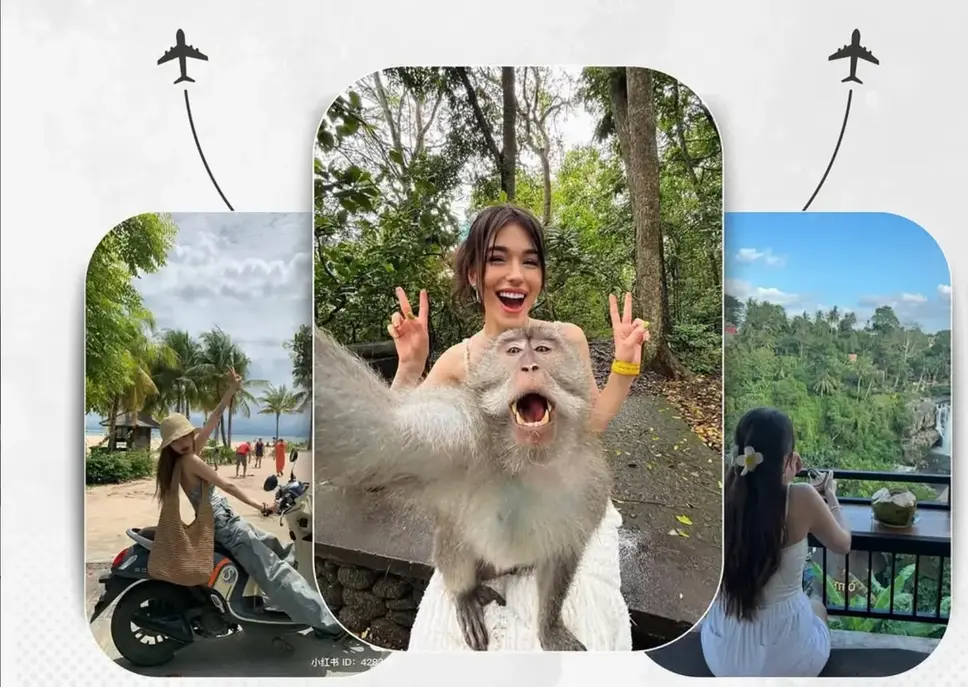
Current Bali travel involves more than booking a passport and flight.
Entry rules depend on nationality and purpose of travel, so I would always verify the exact position for every traveler directly before departure.
Indonesia’s official eVisa portal currently provides visitor-visa and electronic Visa on Arrival information for eligible travelers. The system also states that travelers must submit Indonesia’s arrival information within three days before entering the country. Current visitor-visa pages show a 30-day tourist option for eligible applicants with the possibility of extension, but passport eligibility and conditions should always be checked against the actual trip.
Bali also has a separate foreign-tourist levy.
As of August 2026, the official Love Bali tourist levy information lists the levy at Rp150,000 per foreign tourist, generally paid once during a Bali visit. The provincial government encourages payment through the official system before arrival and provides a QR-code voucher after payment. Exemptions exist for certain categories, so I would check the official rules rather than relying on an old travel post.
This is the paperwork I would complete before becoming emotionally invested in restaurant bookings and matching airport outfits.
I Would Be Much More Careful About Transport on a Second Trip
Scooters are everywhere in Bali.
They can make travel look effortless.
That does not mean renting one is automatically the sensible family decision.
I chose not to make our family transportation dependent on me learning unfamiliar roads while carrying responsibility for children.
That decision became even easier to defend after I read Bali’s current rules.
The provincial government states that foreign tourists driving must hold the required valid licence, follow traffic laws, wear helmets on motorbikes, and use legally operated rental or transport services. The rules also tell tourists to use licensed transportation providers.
For our family, a licensed car and driver made more sense on longer sightseeing days.
I could sit with the boys.
We could leave bags in the vehicle when appropriate.
I did not need to think about navigating unfamiliar traffic.
And perhaps most importantly, nobody needed me to pretend I was more confident on a scooter than I actually was.
Travel does not become better because I choose the most adventurous transportation option.
Sometimes the best family transport is simply the one that removes one problem from the day.
The Driver Became Part of the Itinerary
One thing I had not understood before Bali was how useful a good local driver could be.
Not because I wanted someone to plan our entire holiday.
Because the driver understood how the island worked on the ground.
A map could tell me two places were a certain distance apart.
A local person could look at the route and tell me that trying to combine them at that hour was a bad idea.
That knowledge became extremely valuable.
The official Indonesia tourism guide itself suggests car-and-driver arrangements as a common way to travel around Bali and warns that congestion and ceremonies can affect road journeys.
I wish I had asked more questions earlier.
What time would you leave?
Is this too much for one day?
Where would you stop for lunch?
Does this route make sense?
Which attraction becomes crowded first?
Those questions can be worth more than another hour of reading generic itineraries from home.
Our Best Meals Were Not the Ones I Had Researched the Most
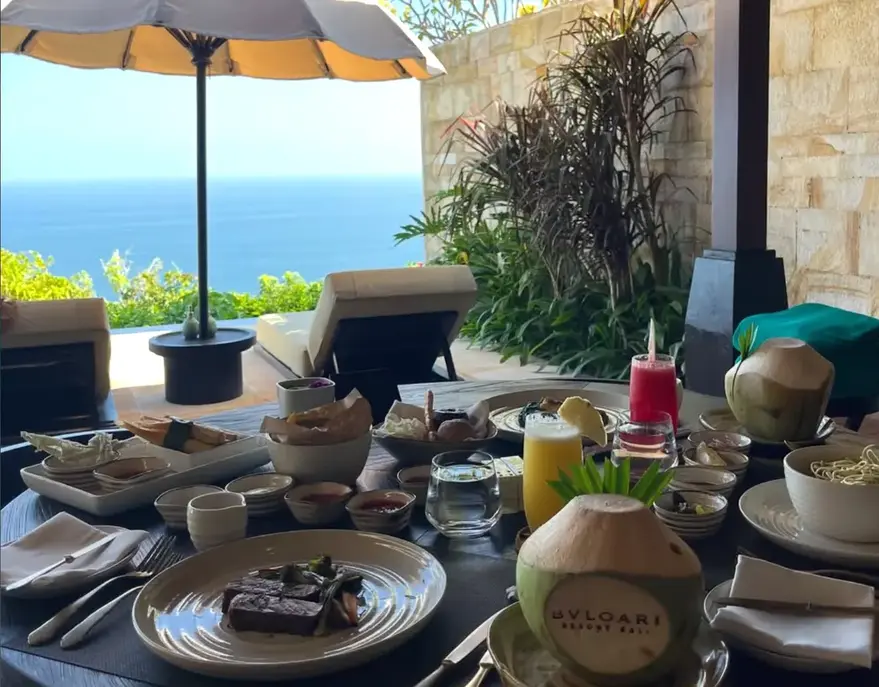
I had a saved food list before the trip.
Of course I did.
There were places I had seen online and dishes I wanted to try.
Some were excellent.
But a family trip has its own food reality.
Children become hungry at inconvenient times.
The restaurant I planned for 1:30 may be useless if everybody is finished by 12:15.
Sometimes a simple meal at the correct moment is better than a famous meal after an exhausting delay.
I stopped treating food as a separate attraction and started using it to support the day.
A good lunch could reset everybody.
A cold drink and quiet table could save an afternoon.
Breakfast mattered more before a long drive.
I kept familiar snacks available for the boys without trying to prevent them from experiencing local food.
The balance worked better than making every meal a challenge.
I Became More Careful About Food, Water, and Mosquitoes Without Letting Health Anxiety Run the Trip
Travel-health research can become overwhelming very quickly.
My approach now is to use an authoritative destination source instead of random search results.
The CDC Indonesia traveler page provides current destination-specific information about vaccines, mosquito-borne illness, animal exposure, food and water precautions, and other health considerations.
I checked our own needs before travel rather than assuming another family’s medical preparation applied to us.
On the trip, the practical habits were ordinary.
Use safe drinking water.
Wash or clean hands before eating.
Use suitable mosquito protection.
Be sensible with animals.
Carry the medicines we normally rely on.
Know where our insurance documents are.
That was enough to make me feel prepared without turning every meal or insect into a threat.
I Should Have Checked the Current Travel Advisory Earlier
I do not use government travel advisories to decide whether I am allowed to feel excited about a country.
I use them to understand risks I should not learn about from a social-media video.
As of August 2026, the U.S. State Department’s Indonesia Travel Advisory is Level 2, “Exercise Increased Caution,” citing natural-disaster, terrorism, and unrest risks nationally, with stronger warnings applying to particular areas outside Bali.
That did not make me cancel Bali.
It made me pay attention.
Indonesia is volcanically active.
Weather can affect plans.
Public conditions can change.
A family traveler should know where official updates come from before needing them.
That feels very different from being frightened of a destination.
Preparation and fear are not the same thing.
The Beach Day I Almost Overplanned Became One of My Favorites
I had ideas for our beach day.
A time to arrive.
Things nearby.
Possible lunch.
Maybe another stop afterward.
The boys had a much stronger plan.
Water.
Sand.
More water.
Something to eat.
Back to the water.
That was basically it.
And it worked.
There are Bali days that deserve structure.
A temple visit with specific timing may need planning.
A long inland drive needs thought.
A boat departure certainly needs punctuality.
A family beach day often improves when I stop trying to make it produce enough content.
Bentley was busy.
Harley was happy.
Nobody cared that we had technically left another attraction unseen.
That afternoon helped me understand one of the most important things about family travel.
Children do not measure value by how many locations their parents managed to fit into a day.
A Pool Became a Serious Booking Feature

Before children, a hotel pool was nice.
With Bentley and Harley, it can influence the entire rhythm of a destination.
The pool became our transition zone.
Back from sightseeing but not ready for dinner?
Pool.
One child had enough culture for the day?
Pool.
An afternoon plan no longer looked worth the drive?
Pool.
I now read accommodation descriptions differently.
I want to know whether the room genuinely fits us.
Whether breakfast timing works.
Whether walking somewhere nearby is realistic.
Whether the pool is useful for children rather than simply photogenic.
Whether there is enough space to deal with wet clothing.
Whether the room will be quiet enough to sleep.
FsiBlog’s guide to choosing accommodation around your actual travel preferences reflects the same lesson. A beautiful property can still be a poor family choice when its location or layout makes every ordinary task harder.
The Fancy Villa Question Is More Complicated With Children
Bali villas look wonderful online.
Private pool.
Open living areas.
Beautiful bathrooms.
Tropical gardens.
Then my parent brain arrives.
How is the pool separated from the room?
Can a child walk straight out to the water?
Are upstairs railings secure?
Does the bedroom lock in a sensible way?
Are there slippery outdoor floors?
Is the property staffed?
Is the location easy for food and transport?
The villa that creates privacy for adults can create more supervision work with children.
I would never book solely from the main photograph now.
I want floor-plan information.
Recent reviews.
Pool layout.
Location.
Actual family sleeping arrangements.
The questions are less glamorous.
They are much more useful.
Temples Changed the Way I Think About Travel Photography
I took photographs in Bali.
Plenty of them.
I also became more conscious of where the camera did not belong.
The provincial government’s visitor rules specifically tell travelers to respect holy places, religious ceremonies, symbols, and local customs.
That means a beautiful background is not automatically permission.
I watched for signs.
I listened when someone asked visitors to stay somewhere.
I tried not to block people who were actually there to worship.
I kept the boys from turning carved structures into climbing equipment.
This sounds like basic manners because it is basic manners.
Travel can make people behave strangely around photographs.
Sometimes we become so focused on proving we were somewhere that we stop behaving appropriately while we are there.
Bali made me more aware of that.
One Evening Taught Me Not to Chase Every Sunset
Bali sunsets appear everywhere online.
Naturally, I wanted several.
Sunset at the beach.
Sunset at a temple.
Sunset dinner.
Sunset photographs.
There is only one problem with planning an entire holiday around sunset.
It happens at roughly the same part of the family day.
The part when children may already be tired and hungry.
One evening, I was trying to keep everybody moving because I wanted to reach a particular place before the light changed.
The boys were done.
Not badly behaved.
Done.
I could either preserve the sunset plan or preserve the mood.
I chose the mood.
We stopped.
A photograph I had imagined never happened.
I do not miss it.
That became one of those small travel decisions that says more about the trip than the attraction would have.
The Best Bali Days Had One Clear Purpose
Once I stopped building complicated days, our itinerary improved.
A cultural day could be cultural.
A beach day could be a beach day.
A transfer day did not need to pretend it was a sightseeing day.
A long-drive day needed fewer stops.
A hotel afternoon could count as part of the holiday.
I started writing 1.Anchor beside a simple rule in my notes:
One memorable family experience done well is better than four famous places everybody is too tired to enjoy.
That is probably the most useful line in this entire Bali Travel Guide.
I Would Split the Trip Rather Than Commute Across Bali Every Day
If the trip is long enough, I would rather change bases once or twice than repeatedly make large day trips from one hotel.
There is a trade-off.
Changing accommodation means packing.
Checking out.
Checking in.
Waiting for rooms.
Moving luggage.
That is annoying with children.
But several long return drives can be equally exhausting.
I now compare the total inconvenience.
For example, if much of my plan is around Ubud and central Bali, staying there for part of the trip may make more sense than driving in and out from the southern coast repeatedly.
Then I can move to a beach area for the slower portion.
That is not the only good Bali itinerary.
It simply matches the kind of trip I wish we had planned from the beginning.
I Would Not Add Nusa Penida Just Because Everyone Else Does
Nusa Penida photographs are difficult to ignore.
The cliffs and coastline look extraordinary.
I came close to adding it simply because so many Bali itineraries did.
Then I looked properly at what the day could involve.
Boat transport.
Transfers.
Road journeys.
Walking.
Weather dependence.
A long return.
The official tourism information notes that Nusa Penida is reached by fast boat from Bali, with crossings commonly around 30 to 45 minutes depending on conditions, and that parts of the island have hilly or challenging roads.
For some families, that will be a fantastic day.
For another family, it may be the point where the itinerary becomes too busy.
I finally stopped asking, “Is Nusa Penida worth seeing?”
Of course it is worth seeing.
The useful question is:
Is it worth adding to this particular family trip?
Those are not the same thing.
Bali’s Dry Season Does Not Mean I Would Pack Without Rain in Mind
Official Indonesian tourism information generally places Bali’s drier season around April through October and its wetter period around November through March, while warning that weather patterns can vary.
I would use that information for broad planning.
I would not use it as a guarantee.
Even during a generally drier period, I still want a light rain solution.
I also want sun protection.
Bali’s tropical climate means I expect warmth and humidity, but inland and higher areas may feel cooler than beach zones.
This is where layers beat overpacking.
A lightweight extra piece earns more space in my bag than several outfits that perform exactly the same job.
I Learned to Keep the Children’s Travel Day Predictable Even When Bali Wasn’t
Travel changes almost everything children know about a normal day.
New bed.
New breakfast.
Different food.
Different time zone.
Long drives.
Unfamiliar sounds.
Adults discussing logistics.
I could not control all of that.
I could keep a few things familiar.
The same small bedtime routine.
A familiar snack.
Enough warning before leaving somewhere.
Explaining what the next part of the day would involve.
Not expecting an exhausted child to behave like a rested one.
Those things helped more than adding another toy to the suitcase.
It is one reason I still return to the ideas in Practical Travel Tips For Families. Familiar routines can give children something stable while almost everything around them is temporarily different.
Bali Made Me More Comfortable With Paying for Convenience
I used to treat convenience as the first thing to cut when trying to travel sensibly.
Why pay for a driver when another option might cost less?
Why pay more for the hotel with a better location?
Why use laundry service when I can manage it myself?
Sometimes that thinking is smart.
Sometimes I end up paying less money and spending much more family energy.
Bali helped me calculate convenience differently.
A well-located hotel could remove multiple car journeys.
A driver could turn a complicated sightseeing day into a manageable one.
A simple laundry service halfway through the trip could remove extra clothes from every suitcase.
A slightly more expensive direct transfer could give us back part of an afternoon.
Not every convenience is worth buying.
But “cheapest” and “best value” stopped meaning the same thing to me.
I Would Budget for the Real Trip, Not Just Flights and Hotels
Flights and accommodation dominate the first planning spreadsheet.
Then real travel appears.
Airport transfers.
Drivers.
Entry fees.
Tourist levy.
Food.
Laundry.
Activities.
Tips where appropriate.
Boat journeys.
Snacks.
Small purchases.
An unexpected pharmacy stop.
The coffee I suddenly decide I absolutely need.
The souvenir the boys have apparently been emotionally attached to for six minutes.
Those smaller categories matter.
My FsiBlog article on planning stress-free trips without overspending came from the same type of lesson. A realistic travel budget needs some flexible money so every unplanned expense does not feel like a crisis.
Bali can work at many spending levels.
But I would rather choose my level consciously than continually feel surprised.
I Wish I Had Left More Space for Bali to Surprise Us
This may be my favorite lesson.
I planned our trip because I wanted to make the most of it.
Good intention.
Wrong measurement.
The most memorable parts were not always the places with the strongest search volume.
They were moments.
Seeing the boys notice a religious offering and asking what it was.
A drive through a landscape that suddenly became much greener.
The relief of getting back into the car after a hot walk.
A meal everyone actually liked.
Bentley turning something ordinary into a question.
Harley being completely finished with an activity five minutes before I was.
The pool.
A quiet morning.
A view we had not planned.
A conversation with someone local that made a place feel less like scenery.
That is the Bali I did not find inside the perfect itineraries.
Bali Also Taught Me That Respect Is Part of Travel Planning
The current Bali government rules are unusually direct about what officials expect from foreign visitors.
They include respecting sacred places and customs, paying the required tourist levy, using licensed accommodation and transportation, following road rules, using authorised currency-exchange providers, and behaving appropriately in public and religious settings.
I actually appreciate that clarity.
A traveler is not only buying access to beaches, hotels, restaurants, and temples.
We are entering somebody else’s home.
That relationship comes with responsibility.
I want Bentley and Harley to grow up understanding that being able to travel somewhere does not make us owners of it.
We are visitors.
That word should still mean something.
My Bali Packing List Would Be Smaller the Second Time
If I packed again, the clothing would be simple.
Breathable daytime clothes.
Swimwear.
One or two pieces suitable for temple visits.
Comfortable footwear.
A light rain layer.
A light warmer layer for cooler areas or strong air-conditioning.
Sun protection.
A small day bag.
The boys’ essential comfort items.
Medication.
Documents.
Chargers.
And significantly less “maybe.”
I would leave more empty suitcase room too.
Not because shopping is the purpose of the trip.
Because repacking an absolutely full suitcase after several days of family travel is one of those small forms of suffering nobody puts in the destination guide.
I Would Prepare Documents in One Place
I do not want to stand in an airport searching through email while two children are waiting beside me.
For a future Bali trip I would keep the important digital documents easy to reach and save offline copies where useful.
Passports.
Flight details.
Accommodation address.
Insurance.
Visa or immigration information applicable to us.
Arrival paperwork.
The Bali levy QR code when required.
Driver or transfer details.
Key phone numbers.
The official Indonesian immigration system and Love Bali portal should be the sources I verify shortly before travel, because entry processes and fees can change.
This is five minutes of organization at home that can save twenty irritating minutes at the worst possible time.
Travel Anxiety Became Much Easier Once I Accepted That Something Would Go Wrong
I used to prepare because I wanted nothing to go wrong.
That is an impossible standard for family travel.
A better goal is being able to handle the ordinary things that do.
Traffic.
Rain.
A closed attraction.
A child who suddenly does not want to do the thing I paid for.
A delayed meal.
A lost item.
An exhausted afternoon.
A schedule change.
My article about managing travel anxiety talks about separating what I can prepare for from what I cannot control. Bali made that feel much less theoretical.
I could not remove Bali traffic.
I could avoid building an itinerary that collapsed when traffic happened.
That is the difference between preparation and control.
If I Had Seven Family Days in Bali Again
I would not write a rigid seven-day schedule.
I would give the trip a shape.
I would spend several nights around Ubud or another inland base and several nights near the coast.
I would protect the arrival day.
Nobody needs a major cultural attraction immediately after a long international journey.
I would allow one proper inland sightseeing day.
One cultural day that could include a temple or performance without adding four other major stops.
One deliberately slow day.
Then I would move to the coast and let the second part of the trip breathe.
Beach.
Pool.
One significant outing.
A sunset if the family still wanted it.
Dinner.
Maybe another cultural experience.
Maybe absolutely nothing.
That sounds much less ambitious than the first Bali itinerary I built.
It also sounds much more like a holiday I would actually enjoy.
If I Had Ten to Fourteen Days, I Would Go Slower Rather Than Add More Islands
This is where my thinking has changed most.
More days used to mean more destinations.
Now more days means more breathing room.
A longer Bali stay could allow several nights in two or three areas without constantly moving.
I would consider an additional island or north Bali only when it truly matched our interests, not because fourteen days created an empty box that needed filling.
Longer trips become much easier when some days are intentionally ordinary.
Laundry.
Swimming.
Walking.
A café.
A small local outing.
Early bed.
Those days make the big experiences better.
They are not lost travel days.
What Bentley Would Probably Put in His Bali Travel Guide
Bentley’s guide would be very different from mine.
There would be far more animals.
Far fewer hotel-location calculations.
He would probably rank experiences according to how interesting they were in the moment rather than how famous they were.
A strange insect might beat a temple.
A pool could beat an expensive attraction.
A funny driver story could beat the view I had spent an hour reaching.
That is not a failure of travel.
That is childhood.
Harley’s Bali Guide Would Remind Me to Stop Earlier
Harley taught me more about pacing.
There is always a moment when I know.
The energy changes.
The questions stop.
The walking slows.
The snack requests begin.
That is the moment to stop negotiating with the itinerary.
I am getting better at recognising it.
Not every family outing needs to reach the planned final stop.
Sometimes returning to the hotel is the successful decision.
I wish travel content talked about that more.
Parents do not need only information about what is possible.
We need permission to decide what is enough.
The Bali Travel Guide I Needed Was Really About Editing
Bali has too much.
Too many interesting places.
Too many beaches.
Too many restaurants.
Too many temples.
Too many possible day trips.
Too many beautiful hotels.
Too many things another traveler can tell me I should not miss.
A good Bali trip therefore depends less on finding things to do and more on becoming comfortable leaving things out.
That is the part I did not understand before going.
I thought planning meant adding.
Bali taught me that planning is often editing.
Remove one drive.
Remove one attraction.
Move something to another day.
Stay an extra night.
Choose one cultural experience rather than three.
Let the boys swim.
Go to bed.
The Trip I Remember Is Not the Itinerary I Planned
I barely remember the original spreadsheet now.
I remember the car ride that taught me not to trust map distance.
I remember the boys watching animals.
I remember trying to explain why we needed to behave differently in a sacred place.
I remember how good the pool looked after a long inland day.
I remember the relief of cancelling something we no longer had energy to enjoy.
I remember rice-green landscapes that made me stop talking for a minute.
I remember the coast.
I remember watching Bentley and Harley experience a place without caring whether they were experiencing it in the “correct” tourist order.
And I remember finally understanding that Bali did not need me to see everything.
It needed me to slow down enough to see what was already in front of us.
That is the Bali Travel Guide I wish somebody had handed me before our trip.
Check the current immigration rules.
Pay the correct tourist levy.
Understand where you are staying.
Respect the culture.
Use legal, sensible transport.
Take health preparation seriously.
Do not mistake an island map for a realistic driving schedule.
Pack less.
Leave blank space.
And when your children are having a wonderful time somewhere you had planned to leave twenty minutes ago, consider staying.
The famous place waiting on the other side of Bali will still be famous tomorrow.
The family moment in front of you may not wait.
15 Things To Do In Bali

1. Watch the sunrise at Mount Batur
2. Campuhan Ridge Walk in Ubud
3. Swim in the Gembleng Waterfall
4. Visit the Monkey Sanctuary in Ubud
5. Relax in the pools at Koli Koli in Sidemen
6. Eat Chicken Satay (the dish originated in Bali!
7. Walk through the rice terraces in Sidemen
8. Watch a traditional Kecak fire dance
9. Visit Omma day club in Ubud
10. Take a surf lesson in Uluwatu
11. Day trip to Nusa Penida
12. Enjoy a sunset at Single Fin
13. Lunch with an ocean view at Lola’s Uluwatu
14. Pick your own strawberries in Kintamani
15. Relax at Ulu Cliff House
14 Days Itinerary Bali planning Trip
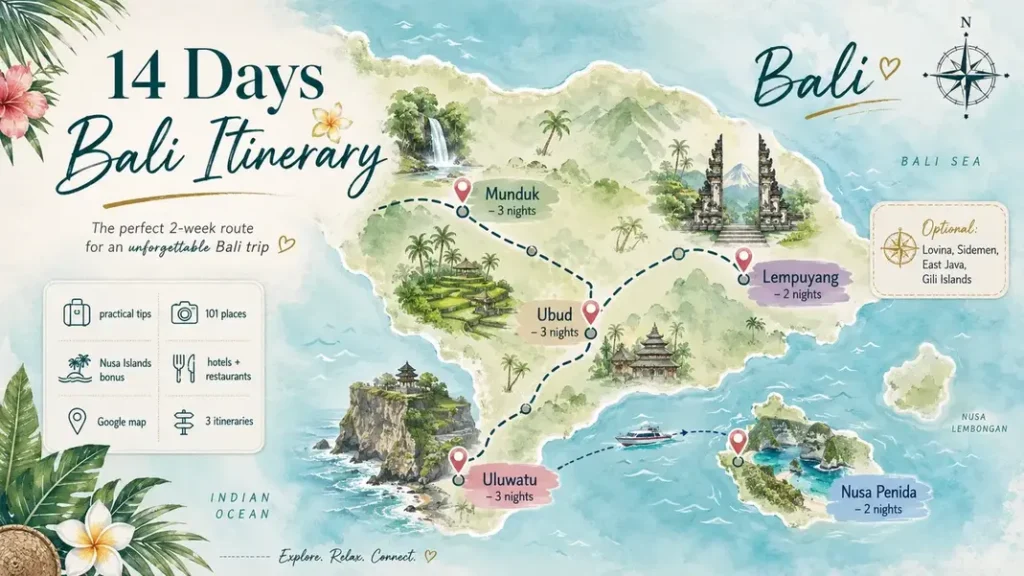
Are you planning your trip to Bali? We are here to help you with your route for a trip! If you have 2 weeks for your dream holiday here is what we recommend:
- 3 nights in Ubud
- 3 nights in Munduk
- 2 nights in Lempuyang area
- 3 nights in Uluwatu
- 2 nights in Nusa Penida
If you have more time you can also add:
2 nights in Lovina or 2 nights in Sidemen
or trip toEast Java or Gili Islands
Want to know more? In our e-book you will find everything about:
how to get around Bali
- practical info about money, visa, ATMs and more
- 101 unique places in Bali you must see
- FREE BONUS Guide to Nusa Islands
- tips for restaurants, hotels and acitivities
- unique Google map with all locations
- 3 perfect itineraries for your trip
Top Experiences In Bali Travel Guides
W’ve lived in Bali for 14 years in total, and these are the 10 places I keep coming back to — not because they’re famous, but because they recharge me every single time. Save for later
My soul spots in Bali:
- Bedugul: Banyu Wana Amertha Waterfall, the Twin Lake viewpoint, and Pura Ulun Danu Beratan Temple.
- Kintamani: slow morning at Black Lava Camp with volcano views.
- Mount Batur sunrise hike: very easy but magical 2-hour hike.
- Just Dance Studio, Canggu: best dance classes and professional teachers in Bali
- 5. Udara Yoga, Seseh: ocean breeze savasana there is very enjoyable
- Jaran Hill, Uluwatu: my favorite sunset point.
- Melasti Beach, Uluwatu: always clean and not crowded.
- Nyang Nyang Beach: visit when the tide is low to explore the sea animals but please don’t step on corals! Don’t recommend to go if you’re not confident on the scooter yet. The road down to the beach is quite dangerous.
- Satya Dharma Temple, Sanur: very beautiful and cool Buddhist temple.
- Jatiluwih Rice Fields: endless green.