

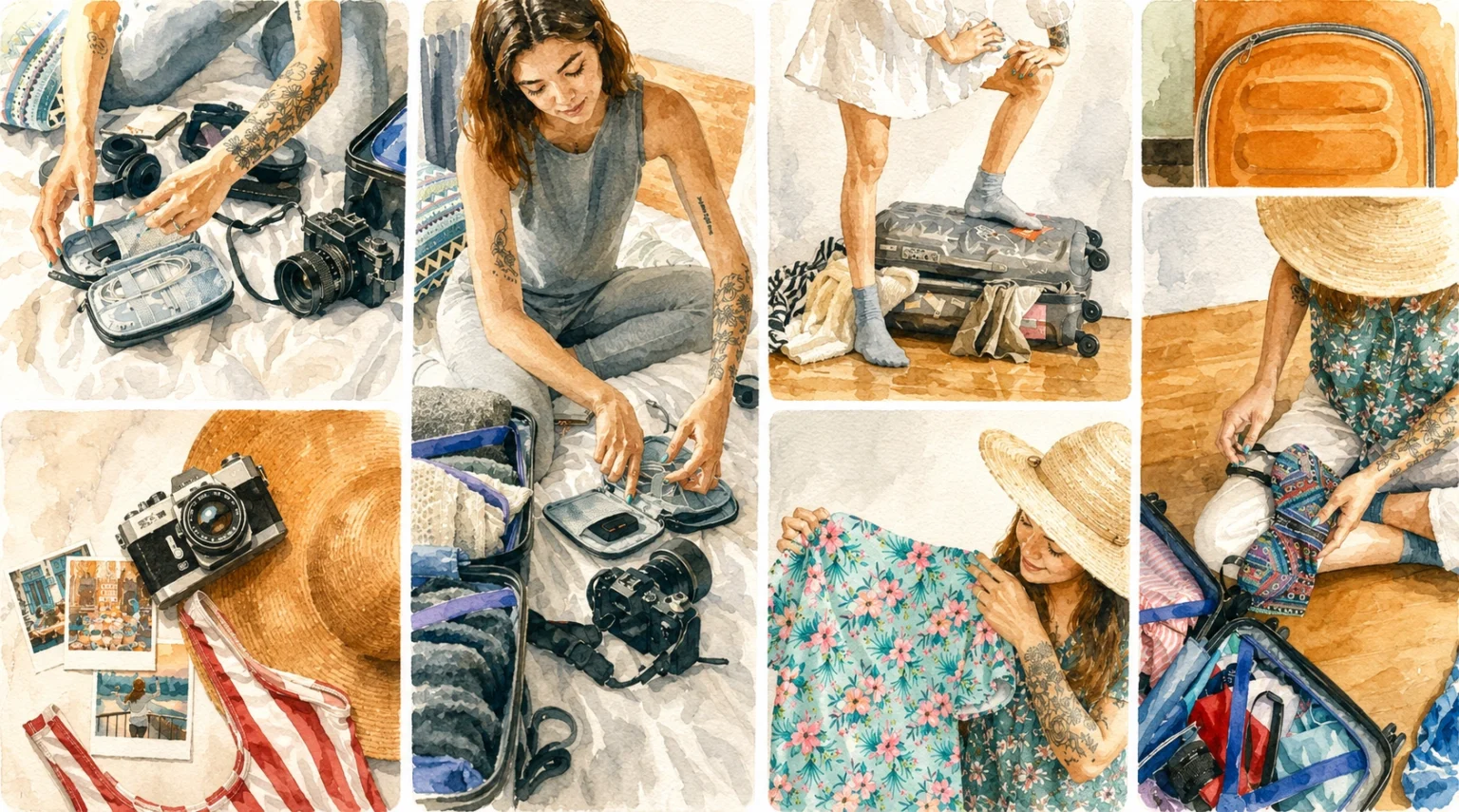
Packing for two weeks in one carry-on sounds hard when you want clean clothes, comfortable shoes, and different outfits for photos. The bag gets full quickly when every day has its own top, trousers, jacket, and pair of shoes.
The answer is not to wear the exact same outfit for fourteen days. It is to pack a small group of clothes that can change through layering, color, accessories, and different outfit pairings.
A plain shirt can work with trousers one day, an open overshirt the next day, and under a dress or sweater later. The same outfit can also look different in photos when you change the outer layer, hair, bag, shoes, or camera angle.
This FsiBlog guide explains how to pack for two weeks in one carry-on while still creating outfits that feel fresh. It includes a realistic clothing list, photo planning, washing tips, shoe choices, airport rules, and common packing mistakes.
Check Your Airline Rules Before Choosing Clothes
Do not begin by making an outfit list. Begin by checking how much your airline allows you to carry.
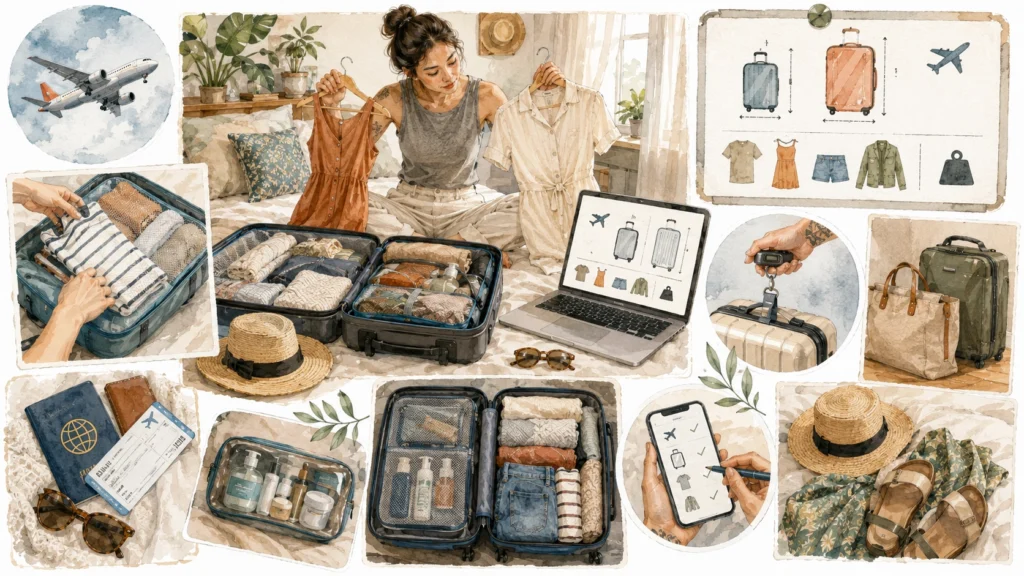
Carry-on size and weight rules are not the same for every airline. They may also change by ticket type, aircraft, and travel route.
The International Air Transport Association says many airlines use a general cabin bag size close to 56 by 45 by 25 centimetres, including wheels and handles. However, IATA also makes the important point that allowances can vary by airline, cabin class, and aircraft type. Check the exact rules shown on your booking before packing.
A bag may fit the size limit but still be too heavy. Some airlines weigh cabin bags at check-in or near the gate.
Place your empty carry-on on a home scale. A heavy suitcase uses part of your allowance before you add a single item.
Check the Personal Item Too
Some tickets include a carry-on and a smaller personal item. Others allow only one small bag that must fit under the seat.
A personal item might be a backpack, laptop bag, or handbag, but the airline decides the allowed size. Do not assume that a large backpack will be accepted because it is soft.
Use the personal item for things you need during the flight:
- Passport, wallet, and travel papers
- Phone, charger, power bank, and headphones
- Medicine and basic health items
- One clean top and underwear
- Liquids bag
- Snacks and an empty water bottle
- Small valuable items
Keep this bag neat enough to open during security without unpacking everything.
FsiBlog’s article on preparing travel documents before a trip can help you organise passports, bookings, insurance papers, and medication information before you leave home.
Build a Travel Wardrobe Instead of Fourteen Separate Outfits
The biggest packing mistake is thinking about fourteen days as fourteen complete outfits. That method creates too many items that only work once.
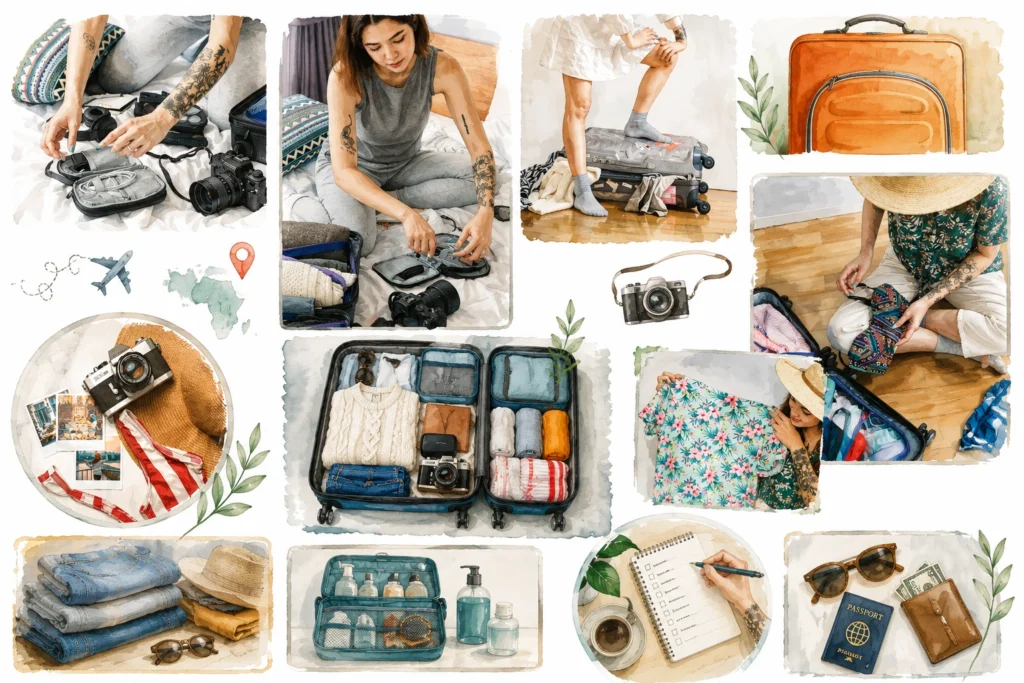
Think of the clothes as a small travel wardrobe. Every top should work with several bottoms, and every outer layer should work with most of the tops.
FsiBlog’s advice on building a capsule wardrobe around your personal style uses the same basic idea. Fewer useful pieces can create more outfit choices when the colors and shapes work together.
A practical two-week travel wardrobe may contain:
| Clothing Type | Useful Amount | Why It Earns Space |
|---|---|---|
| Everyday tops | 5 | Each top can be worn with several bottoms |
| Smart or photo-friendly top | 1 | Helps with dinners, events, and planned photos |
| Bottoms | 3 | Trousers, jeans, shorts, or skirts take more room than tops |
| Dress or one-piece outfit | 1 or 2 | Creates a full outfit without separate top and bottom |
| Light outer layers | 2 | Changes the look and helps with weather |
| Main jacket | 1 | Wear the largest jacket during travel |
| Underwear | 7 to 9 sets | Wash once during the trip |
| Socks | 5 to 7 pairs | Choose quick-drying pairs when possible |
| Sleepwear | 1 or 2 sets | One set may be enough when washing is available |
| Swimwear | 1 or 2 sets | Pack only when the trip needs it |
| Shoes | 2 pairs packed or total | More pairs take too much cabin space |
| Small accessories | 4 to 6 | These create visible outfit changes in photos |
This is not a fixed rule. A warm-weather trip may need more light tops, while a cold trip may need thermal layers and fewer outer choices.
The main test is simple: do not pack an item that works with only one other item unless it is needed for a special event.
Choose a Color Plan That Still Looks Like You
A small wardrobe is easier when the colors work together. This does not mean wearing black, white, and beige for the whole trip.
Choose two main neutral colors and two supporting colors. A simple example might be navy and cream with green and rust.
Another traveler may choose black and grey with pink and blue. Someone who likes brighter clothes might use denim and white as the base, then add yellow, red, and green through tops and accessories.
Place every clothing item on the bed. Look for anything that does not match at least three other pieces.
If a patterned skirt only works with one exact blouse, it uses too much space. A patterned skirt that works with four plain tops is much more useful.
Repeat Color Without Repeating the Outfit
A color can appear several times without making every photo look the same. A blue shirt, blue scarf, and blue patterned dress will appear as three different looks.
You can also change where the color appears. Wear a bright top with dark trousers, then use the same bright color later through a bag or scarf.
FsiBlog’s simple style habits for more polished daily outfits can help you choose cleaner combinations without buying a new holiday wardrobe.
Use the Photo Separation Test
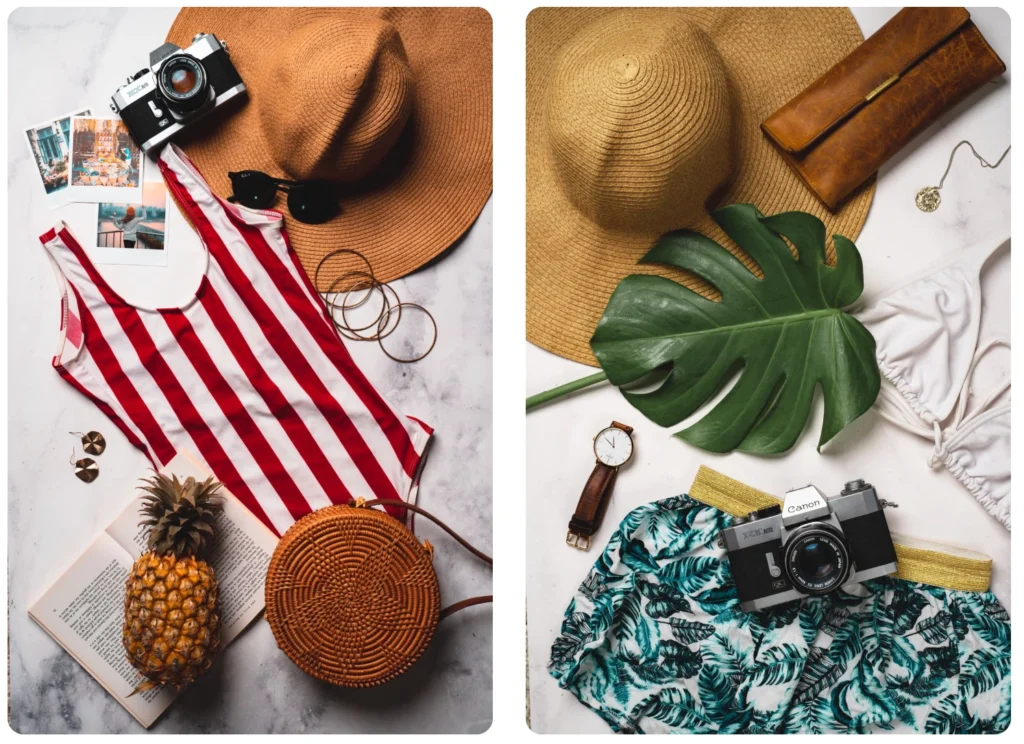
Travel photos are often viewed in groups. The problem is not usually repeating one pair of trousers. The problem is wearing the same visible top, jacket, and hairstyle in every picture.
The photo separation test looks only at the parts the camera will notice first:
- Top color and neckline
- Jacket, cardigan, or overshirt
- Dress shape
- Scarf, hat, glasses, or jewelry
- Hair position
- Bag
- Shoes in full-length photos
Two outfits can use the same trousers and still look different when the visible top and outer layer change.
For example, black trousers with a white shirt and tan jacket will not look the same as black trousers with a green knit and patterned scarf.
Before packing, try on each planned photo outfit. Take a quick phone picture against the same wall.
View all the photos together. When two outfits look almost identical, change one visible part instead of adding a whole new outfit.
Pack Three Types of Tops
Five or six tops can cover a two-week trip when they have different shapes and purposes.
Choose a mix of:
- Simple base tops that fit under jackets or shirts
- Tops with a different neckline or sleeve shape
- One shirt, blouse, or smart top for meals and photos
Do not pack six nearly identical T-shirts and expect every photo to feel different. Include some visual change.
A crew-neck top, open-neck shirt, sleeveless top, fitted long-sleeve shirt, and soft knit create different outlines even when the colors are calm.
Check the fabric under daylight. Very thin white tops may become more see-through in bright sun, while some materials show sweat marks or wrinkles quickly.
Wear each top for at least an hour at home before packing it. A shirt that pulls, scratches, rides up, or needs constant fixing will become more annoying during a long travel day.
Choose Bottoms That Can Handle Real Travel Days
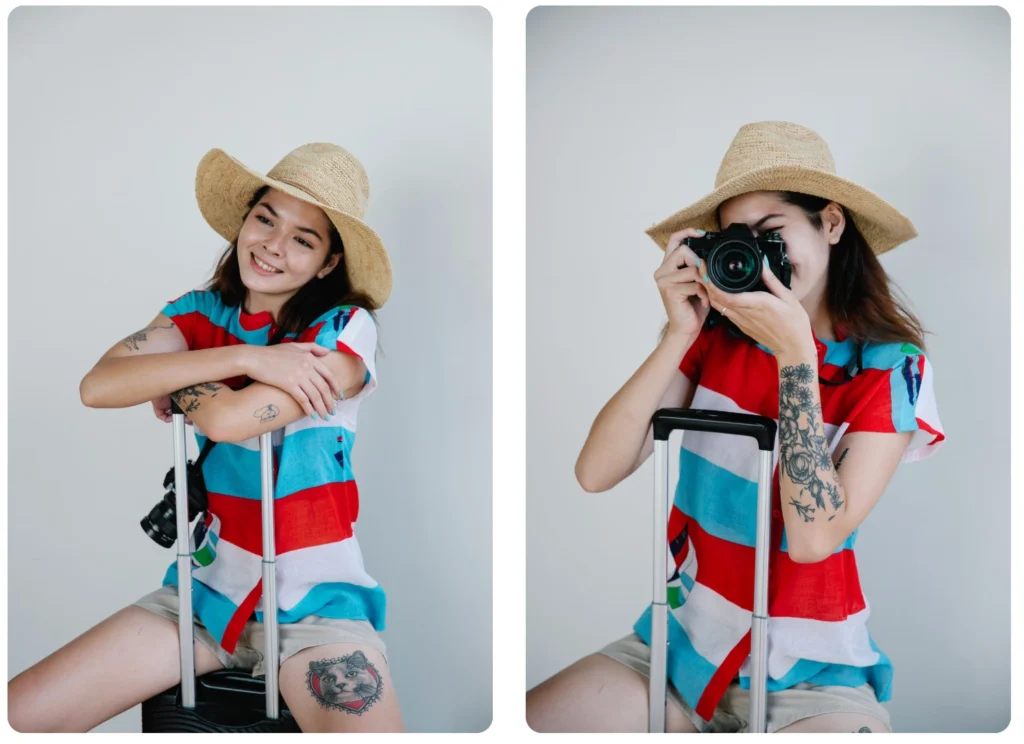
Bottoms take more space than tops, so each one needs a clear job.
A useful group might include one comfortable pair of trousers, one pair of jeans, and one skirt or pair of shorts. For colder weather, you might replace the shorts with warmer trousers.
Avoid packing several heavy pairs of jeans. They take space, add weight, and may dry slowly after washing.
One bottom should work for travel days. It should be comfortable when sitting for long periods and have useful pockets or room for a small belt bag.
Another bottom can be slightly smarter for dinners or city visits. The third can match the weather and main activities.
Try every top with every bottom before the trip. Do not depend on an outfit combination you have never worn.
Add One-Piece Outfits for Easy Photo Changes
A dress, jumpsuit, or matching set can create a clear visual break from your normal top-and-bottom outfits.
A simple dress may work on its own in warm weather. It can also be worn with a shirt underneath, a sweater over it, or a jacket on top.
A matching set gives you three choices. Wear both pieces together, use the top with another bottom, and wear the bottom with a different top.
Choose a one-piece item that can be worn with the same shoes and jacket already in the bag. A dress that requires special heels, special underwear, and a separate coat is not a good carry-on item.
Check whether the fabric needs careful ironing. Light creasing is normal, but an item that looks messy after ten minutes in a suitcase may stay unworn.
Let Outer Layers Do More of the Work
Outer layers are one of the easiest ways to change an outfit in a photo. They also help with cold planes, strong air conditioning, wind, and changing weather.
A light button-up shirt can work as a normal shirt, an open layer, a beach cover, or an extra layer under a jacket.
A cardigan can change a dress, T-shirt, or blouse. A light jacket can make the same base outfit look more structured.
Wear the largest outer layer on the plane. Place a lighter layer in the bag where you can reach it.
Do not pack three coats because each one looks good with one outfit. One useful coat is usually better than several outfit-specific choices.
Check the weather shortly before leaving. A two-week forecast may change, but it can still help you understand the likely temperature range and rain risk.
Use Accessories to Change What the Camera Sees
Accessories take less room than clothing and can make repeated basics look less obvious.
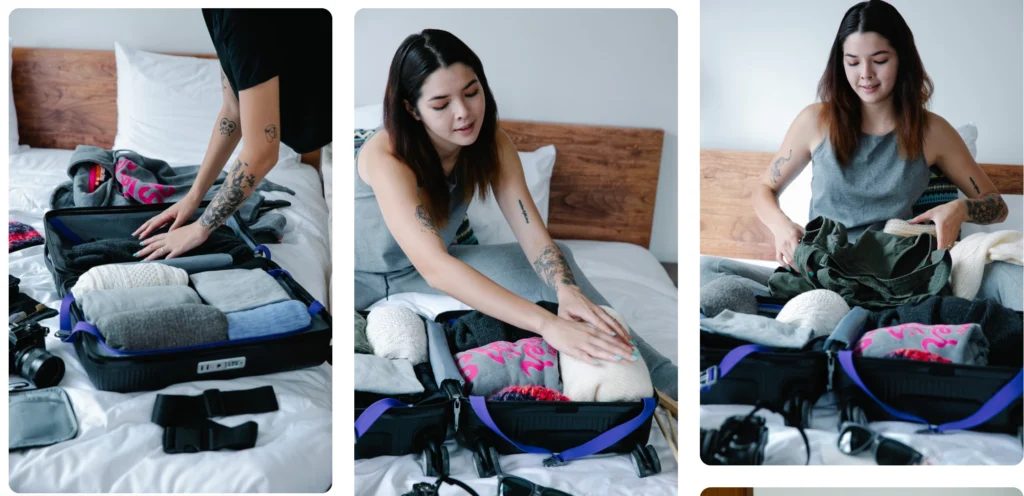
A scarf can be worn around the neck, tied to a bag, used as a hair covering, or placed over the shoulders. A belt can change the shape of a loose dress or long shirt.
Small earrings, necklaces, or bracelets can help a dinner outfit feel different from a daytime look. Keep valuable jewelry at home unless you truly need it.
A hat may work for sun protection and photos, but it should be easy to wear with several outfits. Large hats can be difficult to pack and may need to be worn through the airport.
Choose one everyday bag and perhaps one very small fold-flat bag for evenings. Do not fill the carry-on with handbags.
The goal is not to add an accessory to every outfit. It is to have a few items that create a different visible detail when an outfit needs one.
Plan Photo Outfits Around Places, Not Days
A strict daily outfit plan often fails because weather, energy, and travel plans change. Plan around types of places instead.
Think about the likely photo settings:
| Photo Setting | Outfit Approach | What Creates a Different Look |
|---|---|---|
| Airport or train station | Comfortable trousers, base top, main jacket | Jacket, travel shoes, practical bag |
| Beach or warm waterfront | Dress, shorts, or light set | Hat, open shirt, sandals |
| City street | Trousers or skirt with a strong top | Crossbody bag, glasses, jacket |
| Museum or indoor visit | Light layers and comfortable shoes | Cardigan, scarf, different neckline |
| Dinner | Smart top, dress, or matching set | Jewelry, hair change, small bag |
| Nature walk | Practical bottom and breathable top | Cap, outer layer, walking shoes |
| Hotel or balcony | Simple dress or relaxed set | Barefoot crop, soft light, no travel bag |
| Repeat location later | Reuse a bottom with a new top | Different color near the face |
You do not need a new outfit for each landmark. Move the camera closer for some pictures and use full-length shots for others.
A waist-up photo will not show that you wore the same trousers three days earlier. A seated photo can also make the same outfit look different from a standing picture.
Do not let photos control the whole holiday. Clothing should still suit the weather, walking distance, local customs, and activity.
Use the Seven-Day Packing Rule for a Fourteen-Day Trip
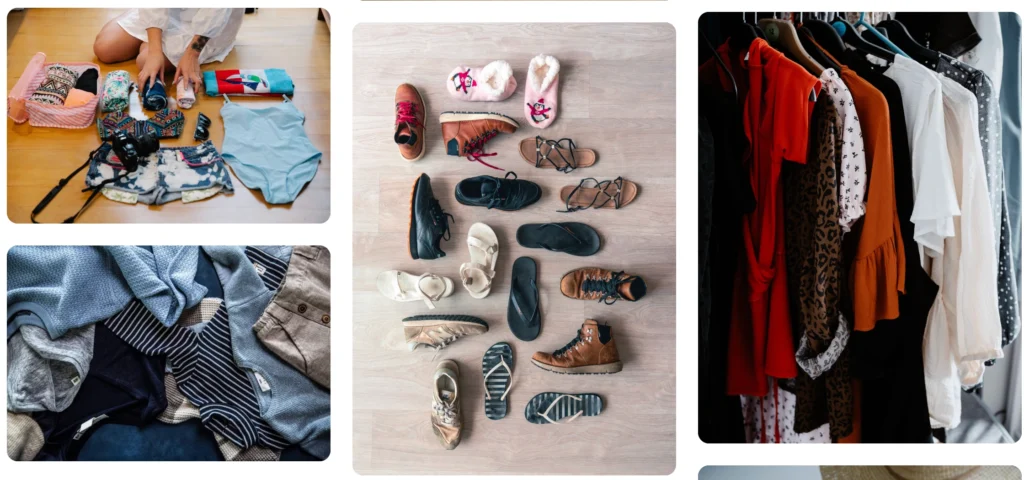
Pack for roughly seven days, then plan one washing point. This is usually more realistic than trying to fit fourteen complete sets into one cabin bag.
Check whether your accommodation has a washing machine, nearby laundry service, or simple sink-washing space. FsiBlog’s guide to choosing travel accommodation based on personal needs can help you think about laundry, location, kitchen access, and other practical needs before booking.
Schedule washing before you run out of clean items. Day six or seven is usually better than waiting until every item is dirty.
Choose a quiet evening or slower morning. Trying to wash clothes just before changing hotels can leave you carrying damp items.
A small laundry plan may include:
- Underwear and socks after several days
- Two or three base tops
- Sleepwear
- One quick-drying bottom when needed
- Swimwear after use
- A small cloth bag for dirty items
Follow the clothing label. Do not use hot water on an item just because you want it to dry quickly.
Roll damp clothes inside a clean towel and press gently to remove extra water. Hang items with space between them rather than placing a wet group over one chair.
Pack Toiletries Around Security Rules
Large bottles can take up a surprising amount of space and weight. Carry only the amount you are likely to use.
For flights departing from or connecting through the United States, TSA generally limits carry-on liquids, aerosols, gels, creams, and pastes to containers of 3.4 ounces or 100 millilitres. These containers must fit inside one quart-sized bag.
Other countries and airports may apply their own screening rules, so check the departure and connection airports before traveling.
Toothpaste, liquid makeup, lotion, hair gel, perfume, and many cream products may count toward the liquid limit. Solid soap, solid deodorant, and some solid beauty items can reduce the amount placed in the liquids bag.
Do not fill a travel bottle to the top. Leave a little room and check that the cap closes tightly.
Place bottles inside a small leak-resistant pouch. A leaking hair product can damage several planned outfits at once.
Keep Medicine and Essential Items With You
Do not place medicine at the bottom of a bag that may be gate-checked.
The Centers for Disease Control and Prevention advises travelers to pack medication in a carry-on in case checked luggage is lost or delayed. It also recommends keeping medicines in their original labelled containers and taking enough for the trip, with extra for possible delays.
Check the medicine rules for the destination country before leaving. A medicine allowed at home may be controlled or restricted elsewhere.
Keep prescription copies and needed health papers with the travel documents. Do not move important tablets into an unmarked decorative container just to save a small amount of space.
Pack glasses, contact lens supplies, and other daily health items where you can reach them.
Carry Power Banks and Batteries Correctly
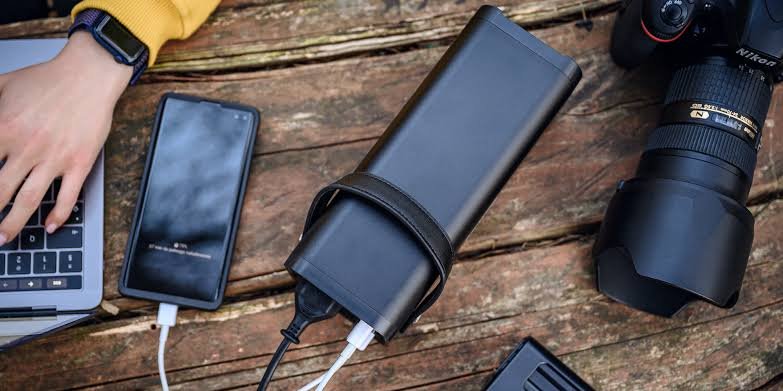
Many travelers pack a phone, camera, earbuds, watch, laptop, or portable charger. Battery rules matter even when you are traveling with cabin luggage only.
The Federal Aviation Administration says spare lithium batteries and power banks must remain in carry-on baggage. If the carry-on is taken at the gate and placed in the aircraft hold, these batteries must be removed and kept in the cabin.
Protect spare battery terminals from contact with metal. Keep devices switched off or protected from turning on by accident when required.
Do not buy a very large power bank without checking its watt-hour rating and airline rules. Some batteries need airline approval, while very large ones may not be allowed.
A compact charging setup saves space. One multi-port plug and the correct cables may replace several separate wall chargers.
Limit Shoes Before They Fill Half the Bag
Shoes are often the reason a carry-on will not close. They are bulky, heavy, and may only work with certain outfits.
For many trips, two pairs are enough:
- One comfortable walking pair
- One lighter pair for warm weather, dinners, or rest days
Wear the larger and heavier pair during travel. Pack the lighter pair around the edge of the case.
Every pair should work with several outfits. A beautiful shoe that only matches one dress uses too much room.
Do not take brand-new walking shoes on a two-week trip. Wear them at home first so you know where they rub and how your feet feel after several hours.
Place shoes in washable bags or simple covers. Use the space inside clean shoes for socks or other soft items, but keep clothing protected from the soles.
Roll Some Clothes and Fold Others
There is no single packing method that works best for every garment.
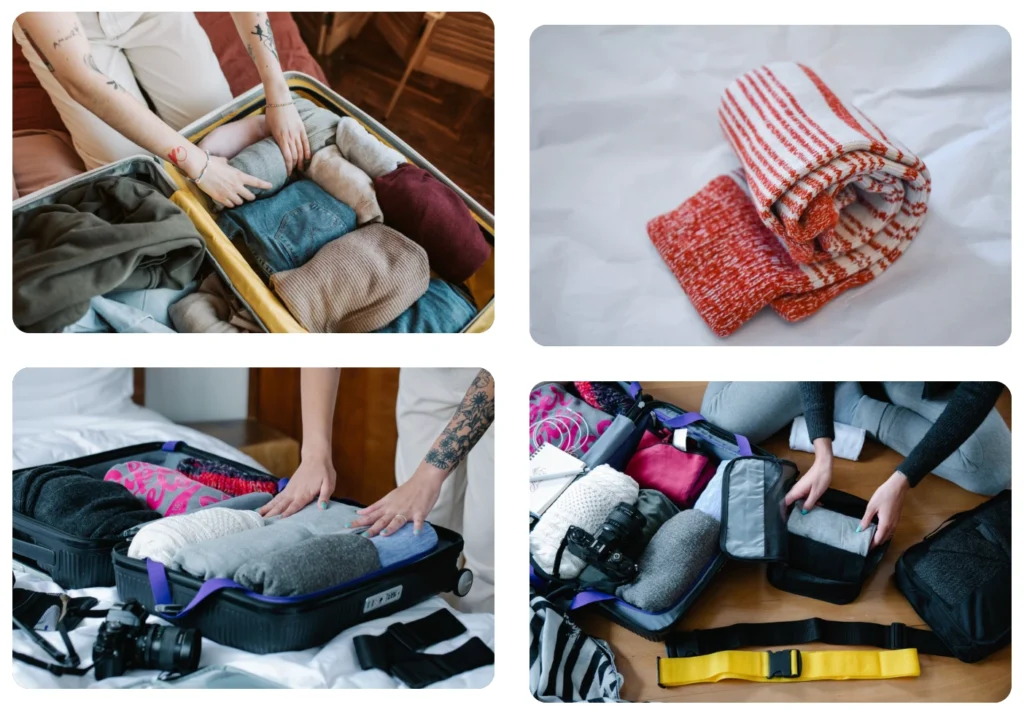
Roll soft T-shirts, leggings, underwear, and some casual trousers. Folding may work better for structured shirts, jackets, and clothes that form deep creases.
Packing cubes can separate tops, bottoms, underwear, and laundry. They help with organisation, but they do not remove the weight of the clothing.
Do not keep forcing more items into compression cubes. A tightly packed bag may still exceed the airline weight limit, and deep pressure can leave clothing badly creased.
Place heavy items near the wheel end of a rolling suitcase. This can help the bag feel more balanced when upright.
Keep the first-night outfit and sleepwear near the top. You should not need to empty the entire case after a late arrival.
FsiBlog’s guide to planning less stressful trips without overspending also recommends using a packing checklist and choosing useful clothing that can be mixed in several ways.
Wear the Bulkiest Outfit During Travel
Your airport outfit is part of the packing plan. Wear the items that would take the most space in the bag.
This may include the main walking shoes, trousers, a base top, cardigan, and jacket.
Do not wear so many heavy layers that you feel hot, restricted, or uncomfortable. You still need to sit, move through security, and manage the bags.
Choose pieces that are easy to remove when the cabin becomes warm. A jacket with useful pockets can hold small items briefly, but do not leave your passport or phone in an open pocket.
Your airport outfit can be worn again later. Change the shirt, remove the jacket, add a scarf, or use a different bag so it does not appear as the same full look.
Keep a Record of What You Wear
Take a mirror photo each morning or write a quick note on your phone. This prevents accidental full-outfit repeats when that matters to you.
You may find that you have repeated the same trousers but not the same visible combination. That is usually fine.
A simple note might say:
“White shirt, navy trousers, tan jacket.”
Several days later, use the navy trousers with the green top and no jacket. The repeated bottom will not control the photo.
Do not save your favorite outfit until the final day. Weather changes, stains, and plan changes may stop you from wearing it.
Use your strongest photo outfits at the places that matter most to you, while they are still clean and easy to reach.
Leave Space for Purchases
A carry-on packed until the zip is under pressure gives you no room for gifts, local products, or clothing bought during the trip.
Leave a small empty area or pack a light foldable tote. Check the return-flight baggage rules before buying large items.
Do not assume you can carry a shopping bag onto the plane in addition to your allowed cabin items. Some airlines count it as part of the allowance.
Avoid buying liquids larger than the airport security limit when you still have another flight connection. Airport duty-free rules can also depend on sealed bags, receipts, and the route.
A good personal rule is to remove one packed item before departure if the suitcase only closes when you sit on it.
A Family Travel Note About Comfort Items
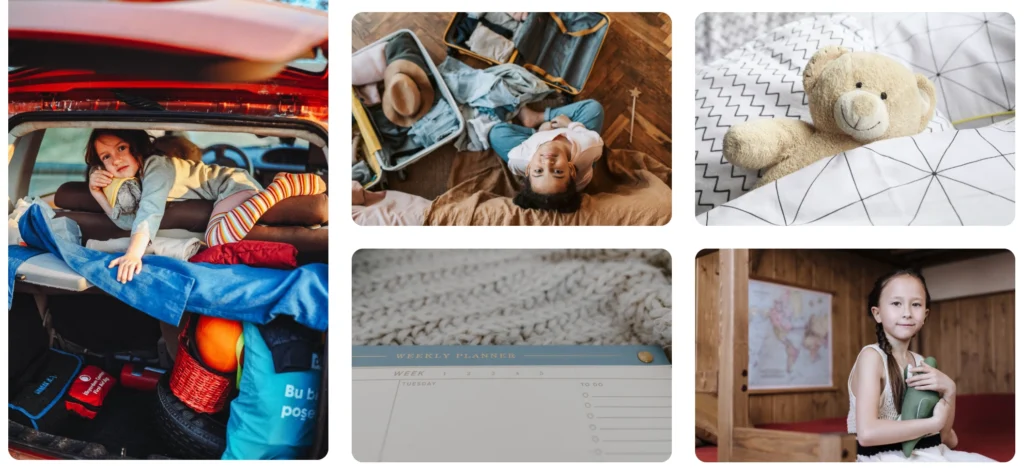
Parents often need space for children’s items as well as their own clothes. Give each child a clear small limit rather than sharing one bag with no order.
Older children can carry a light backpack with a book, snack, headphones, and one comfort item. Keep medicine, travel documents, and important family supplies with the adult.
For road trips, family visits, or an overnight stay before a flight, the FsiBlog Sleepover Roll-Up Blanket offers a portable comfort option for children. It is better suited to car travel or a separate family bag than a tightly limited airline carry-on.
Do not fill valuable cabin space with bulky comfort items that the hotel or accommodation already provides. Check what is available before packing.
Common Two-Week Carry-On Mistakes
Packing Only for Photos
A photo outfit can fail when it is painful to walk in, too hot, too cold, or unsuitable for the place.
Plan for the day first. Then make the practical outfit look better through color, fit, and small accessories.
Taking Too Many “Just in Case” Pieces
One spare warm layer is useful. Four tops for possible events that are not planned will probably remain in the case.
Ask what real problem each item solves.
Packing Too Many Shoes
Three extra pairs can use the space needed for several days of clothing.
Choose shoes by activity and comfort, not by each separate outfit.
Ignoring Laundry Until the Last Day
A small wardrobe depends on washing. Check laundry access before the trip and choose a day for it.
Pack enough clothing to handle a short delay, but not fourteen full days.
Buying New Clothes Without Testing Them
New clothes may shrink, crease, rub, or fit differently after several hours.
Wash and wear new travel clothing before departure.
Choosing a Strict Outfit Schedule
Rain, heat, closed attractions, and mood changes may affect the plan.
Pack flexible combinations instead of labeling every item for one exact date.
Forgetting the Return Journey
The clothes worn at the start may be dirty by the return flight. Keep one comfortable top and clean underwear available.
Do not pack your travel-day clothing into a laundry bag by mistake.
Frequently Asked Questions About Packing Two Weeks in One Carry-On
Can I Really Pack for Fourteen Days in a Carry-On?
Yes, when you pack a small mix-and-match wardrobe and wash clothes during the trip. The exact amount depends on the weather, activities, airline limit, and access to laundry.
A winter trip may be harder because warm clothing takes more space.
How Many Outfits Can I Make From a Small Wardrobe?
Five tops and three bottoms can create up to fifteen basic pairings before adding dresses, jackets, or accessories. Not every pairing will look good, so test the combinations at home.
The useful number matters more than the mathematical number.
How Do I Avoid Looking the Same in Every Travel Photo?
Change the color and shape nearest your face. Use different tops, outer layers, scarves, hair styles, hats, or glasses.
You can repeat trousers and shoes without making every photo look the same.
How Many Pairs of Shoes Should I Take?
Two pairs are enough for many trips. One should handle long walking days, while the other can suit warm weather, dinners, or relaxed use.
A special trip with hiking, formal events, or water activities may need another pair.
Should I Roll or Fold My Clothes?
Roll soft items and fold structured clothing. Test both methods in your actual bag because the best choice depends on the fabric and suitcase shape.
Do not pack so tightly that every item becomes deeply creased.
How Many Days of Underwear Should I Pack?
Seven to nine sets usually allow time for washing without filling the bag. Pack more when laundry access is uncertain or the trip includes heavy physical activity.
Quick-drying pieces are easier to wash during travel.
Can I Take Full-Size Toiletries?
Carry-on liquid limits may prevent this on many routes. Use travel containers, solid products, hotel items, or buy basic products after arrival.
Check every airport and airline involved in the journey.
What Should I Wear on the Plane?
Wear the bulkiest practical items, such as walking shoes, trousers, a cardigan, and the main jacket.
The outfit should still be comfortable enough for sitting, walking, security checks, and temperature changes.
Are Packing Cubes Necessary?
No. They can improve organisation and make it easier to separate clean and dirty clothes, but simple pouches or folded sections can also work.
Packing cubes do not reduce the weight of the bag.
What Should I Remove When My Carry-On Is Too Full?
Remove extra shoes, duplicate outerwear, full-size toiletries, heavy jeans, and items that only work with one outfit.
Keep medicine, documents, comfortable shoes, weather layers, and clothing that can form several combinations.