

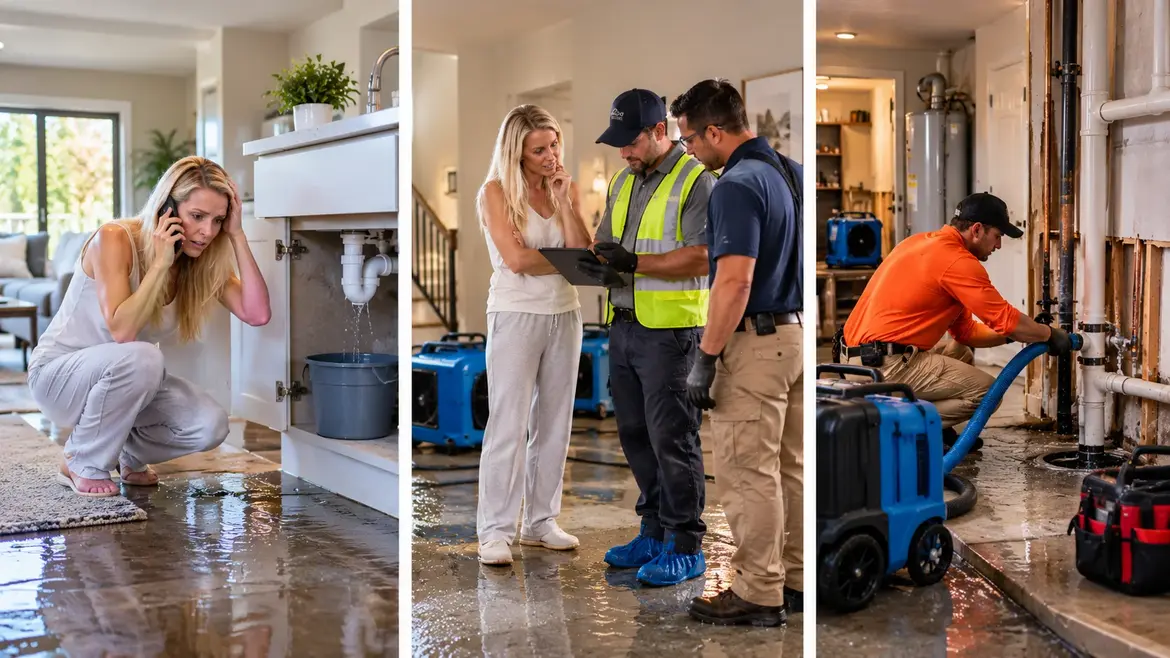
Imagine waking up to the sound of water seeping through your home’s foundation, only to discover that saltwater intrusion has compromised your plumbing. In Fort Lauderdale, where the ocean’s proximity brings both beauty and risk, this scenario is increasingly common. Saltwater from rising tidal levels and shifting aquifers can infiltrate underground plumbing, corroding pipes and undermining structural integrity. Left unaddressed even for a few hours, a minor leak can escalate into widespread foundation failure. Fast, professional plumbing intervention is the only way to halt the damage and preserve your property’s safety.
Saltwater intrusion is not just a distant threat for waterfront properties. Across many neighborhoods, the combination of aging infrastructure and changing groundwater tables puts every homeowner at risk. Recognizing the urgency and acting quickly with round-the-clock plumbing services is the only reliable defense against foundation collapse and the expensive repairs that follow.
Saltwater Intrusion Risks Facing Fort Lauderdale Plumbing Systems
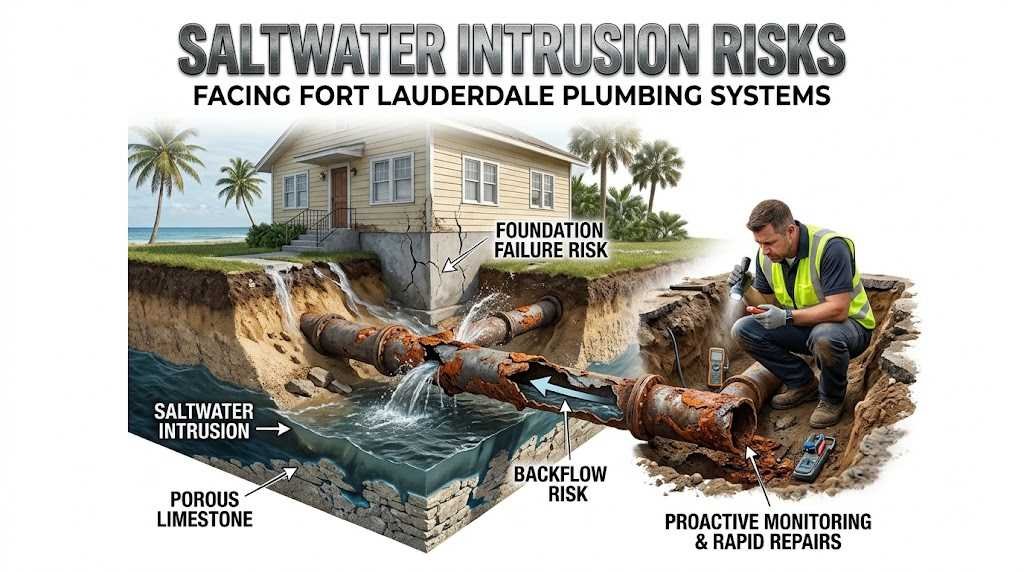
One major risk specific to Fort Lauderdale is the use of cast iron pipes in many older homes. These pipes, originally chosen for their durability, are especially vulnerable to saltwater corrosion when ocean water seeps into the groundwater. As salty moisture interacts with the metal, it accelerates rust and causes pipes to weaken and eventually break. This breakdown can lead to leaks that go unnoticed until they have already impacted the home’s foundation.
Saltwater intrusion also raises the risk of backflow, where contaminated groundwater can flow in reverse through plumbing lines. Without proper backflow prevention measures, contaminants from saltwater can enter the drinking water supply, compounding both plumbing and health hazards. These conditions make quick detection and response essential for every property owner.
Because Fort Lauderdale’s high water table and porous limestone base encourage saltwater to move quickly into underground pipes, even small cracks or faulty joints can become entry points. Proactive monitoring and rapid repairs are the only way to contain the threat before it spreads to structural elements.
How Coastal Groundwater Corrosion Triggers Immediate Structural Damage
Once saltwater reaches a property’s foundation, the chemical reaction between saline water and concrete can cause rapid deterioration. Salt ions attack the concrete matrix, leading to spalling, where the surface peels or flakes away, and compromising the material’s load-bearing capacity. This process isn’t gradual; in the presence of an active leak, visible damage can develop in days rather than months.
Coastal corrosion also accelerates the decay of steel reinforcing bars (rebar) within foundations and slabs. As saltwater initiates rust, the expanding iron oxide puts pressure on surrounding concrete, causing cracks and facilitating further water intrusion. This cycle of damage can undermine the entire home if not halted quickly.
Because Fort Lauderdale’s climate combines frequent rain with tidal surges, sudden increases in groundwater salinity are common after storms. Such events can trigger immediate plumbing emergencies that directly threaten a home’s foundation. Understanding these local dynamics is key to recognizing when to call for urgent help.
Emergency Plumbing Interventions For Coastal Structural Protection
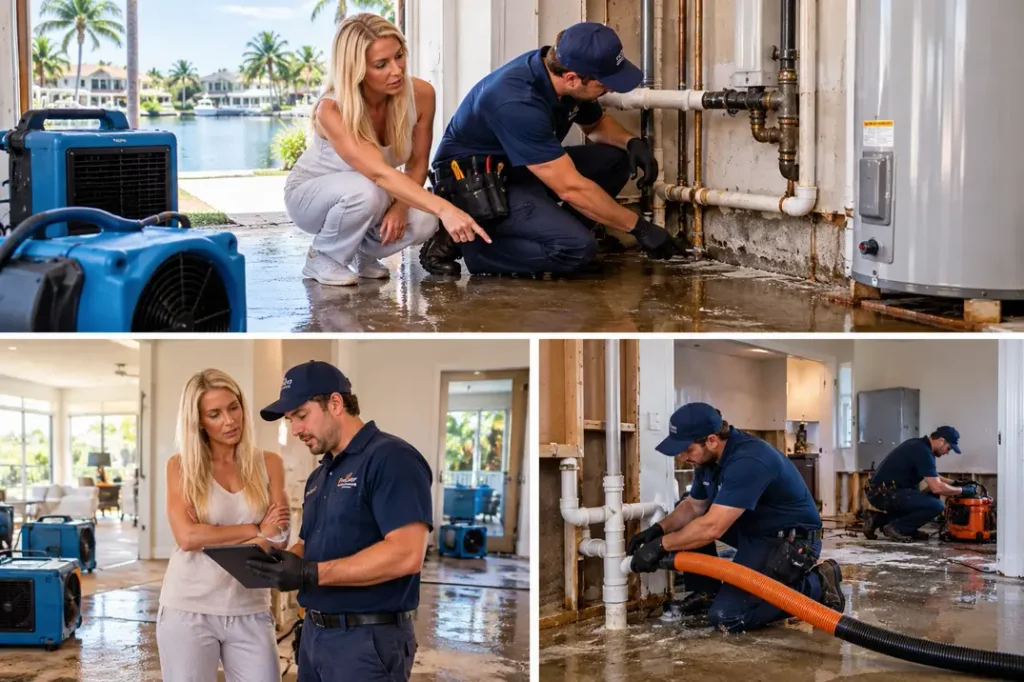
Specialized leak detection tools, such as acoustic sensors and thermal imaging cameras, are vital for pinpointing hidden leaks caused by saltwater intrusion before they escalate into foundation problems. These technologies allow plumbers to locate problem areas without invasive digging, minimizing property disruption during emergency repairs.
When a leak is discovered, immediate pipe isolation and replacement are necessary to stop further saline infiltration. For homes in flood-prone zones, some emergency plumbing providers offer sump pump installation and backflow valve upgrades as an added layer of defense against saltwater entry. Property owners who need rapid response rely on 24-Hour Emergency Plumbing in Fort Lauderdale, FL to contain leaks, assess structural impact, and recommend permanent solutions. This type of service ensures that critical repairs start within hours, not days.
Municipal guidelines recommend verifying that any plumbing work meets current standards for saltwater-resistant materials, especially in coastal regions like Fort Lauderdale. Using approved materials and methods reduces the risk of future corrosion and foundation issues, protecting both the building and its occupants.
Protecting Residential Foundations From Aggressive Saline Degradation
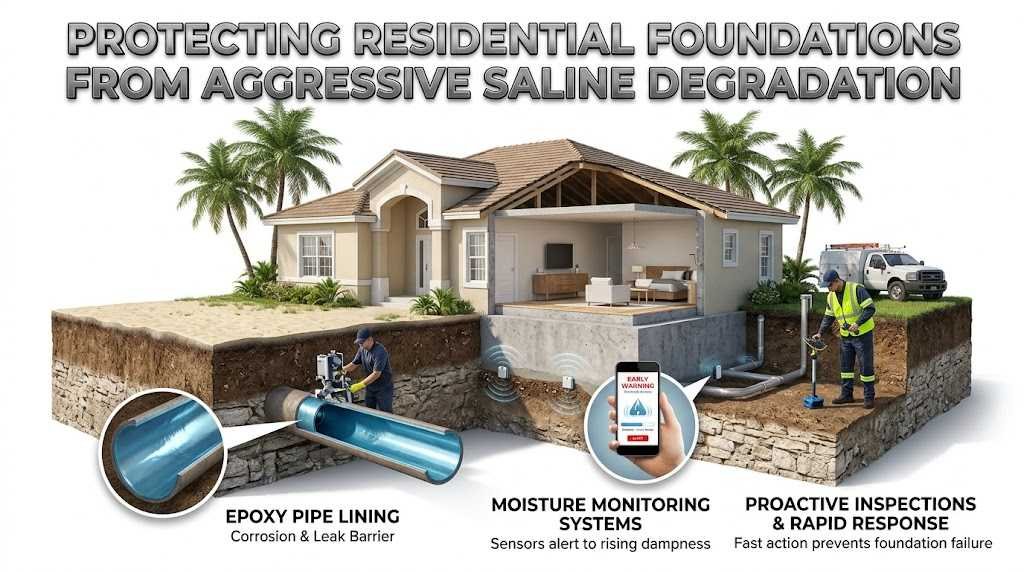
Epoxy pipe lining has become a favored method for reinforcing pipes against future saltwater exposure. This process involves coating the inside of existing pipes with a protective resin, creating a barrier that resists both corrosion and leaks. Many Fort Lauderdale homeowners choose this option after an emergency repair to prevent repeat incidents.
Another safeguard is the installation of moisture monitoring systems under and around the foundation. These sensors alert homeowners to rising dampness levels, allowing early intervention before saltwater can cause significant harm. Regular inspections, especially after heavy rainfall or king tides, give property owners a clear picture of their foundation’s health.
Prompt response is the most important factor in preventing foundation failure. Once a homeowner suspects a leak or sees cracks forming in walls or floors, immediate action by qualified plumbing professionals is the only way to stop saltwater from causing irreversible damage.
Conclusion
If you suspect saltwater has reached your home’s plumbing or foundation, contact emergency plumbing services without delay. Waiting for daylight or a convenient appointment risks rapid escalation of damage; a single call can make the difference between minor repairs and major structural loss.
Disclaimer: This article is for general information only and is not professional plumbing, engineering or structural advice. Every property is different, so have any suspected leak, crack or foundation issue inspected by a licensed plumber and, where needed, a qualified structural engineer. If water is near electrical outlets or wiring, or you suspect your drinking water is contaminated, shut off the supply and get professional help right away.