

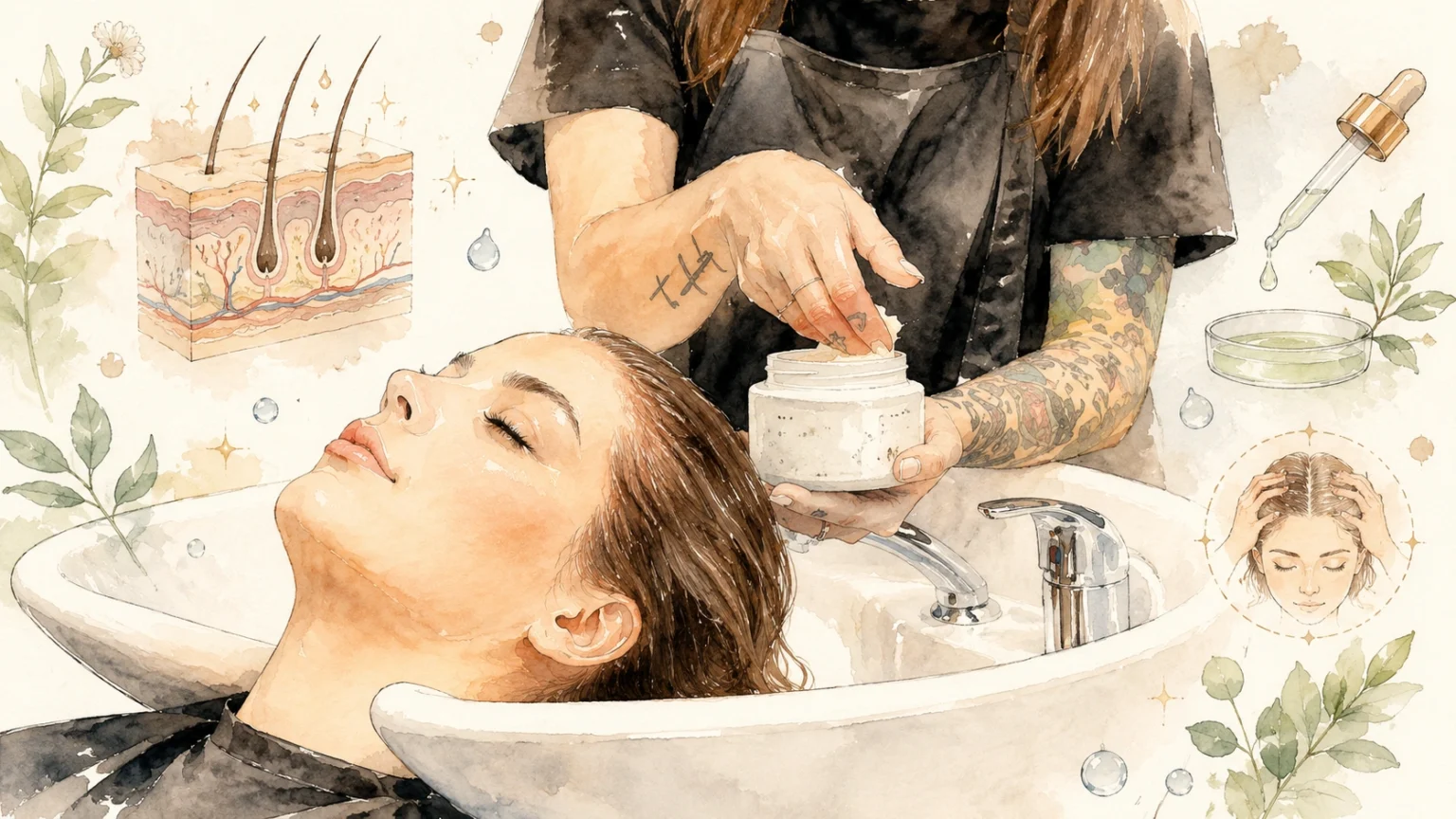
At 6:40 on a Monday morning, I leaned over the bathroom sink and saw a row of small flakes sitting along my hairline.
They were caught in the oil I had applied the night before. My roots looked heavy, the skin above my ears felt itchy, and the clean pillowcase I had put on two days earlier had a faint greasy mark where my head had rested.
I had been trying to improve my scalp.
For three weeks, I had treated it like an extra section of my skincare routine. I used an exfoliating scalp serum, a hydrating mist, a rich oil, a silicone massage brush, and a weekly scrub.
The routine looked thoughtful when I arranged the bottles on the bathroom shelf. My scalp felt worse than it had before I bought any of them.
That morning was when scalp skinification stopped sounding like a clever beauty idea and started sounding like a warning about taking a useful idea too far.
I Had Taken the Phrase Too Literally
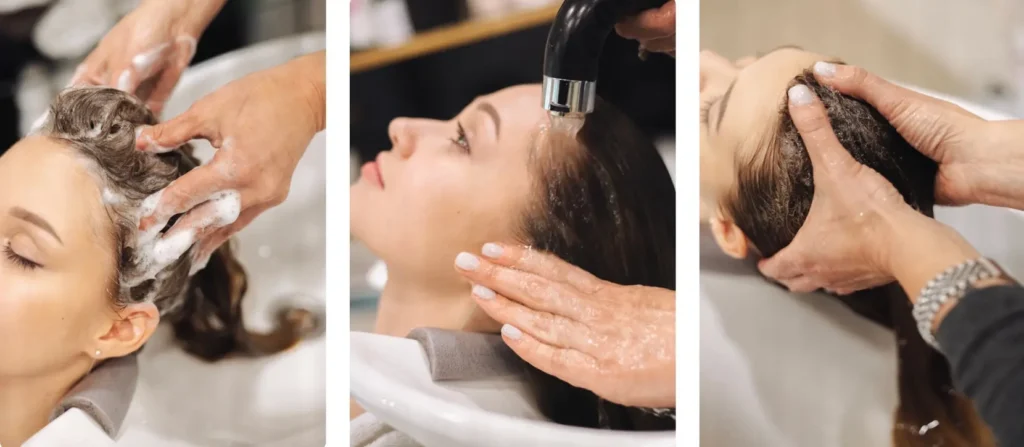
The basic idea behind scalp skinification makes sense. The scalp is skin, and it can become dry, oily, irritated, sun-exposed, or affected by skin conditions.
That does not mean it needs the same products I place on my face.
Facial skin and scalp skin do not live under the same conditions. My scalp is covered by thousands of hairs, produces oil, collects sweat and styling residue, and is harder to see clearly.
A product that feels light on my cheek may sit heavily between my roots.
I had copied the steps of a facial routine instead of asking what problem I was trying to solve.
The truth was that my scalp had not been especially unhealthy. It sometimes felt tight after shampooing, and I occasionally noticed flakes during colder weeks.
Rather than finding out whether I had dryness, dandruff, product buildup, or irritation, I treated every possible problem at once.
The result was not better scalp care. It was more residue and less clarity about what was causing the discomfort.
The American Academy of Dermatology explains that a dry scalp and dandruff are not always the same problem. A dry scalp may improve with a gentle shampoo, while dandruff may need an appropriate anti-dandruff product. Persistent symptoms can also point to another condition that needs a dermatologist’s assessment.
I had been using products for both dryness and buildup without knowing whether either label fit.
The Oil Made the Problem Harder to Read
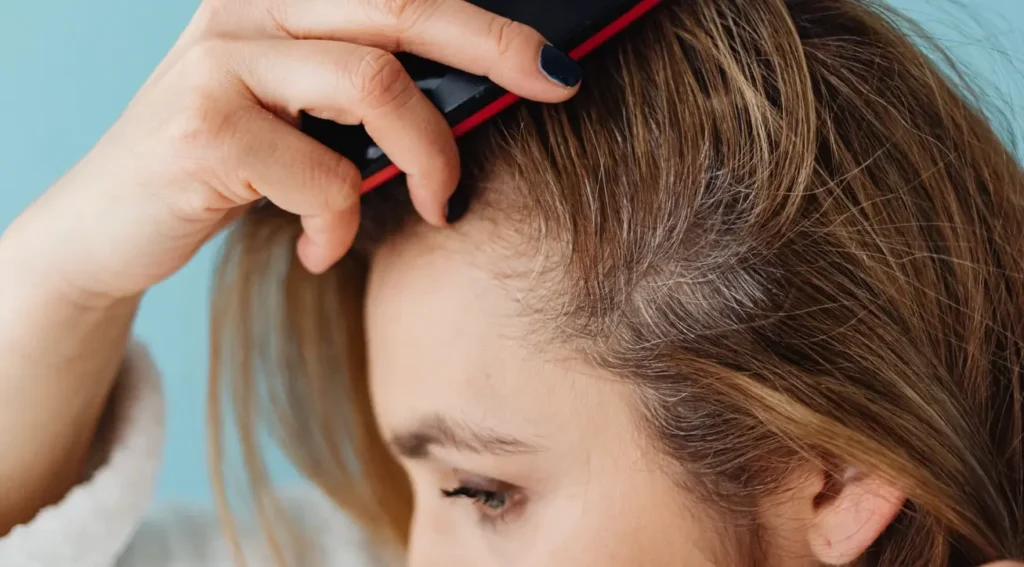
I started oiling my scalp because the tight feeling made me assume it lacked moisture.
The oil felt soothing for the first hour. By the next morning, my roots looked flat and the itching was stronger.
Instead of questioning the oil, I added a clarifying shampoo.
That shampoo left my lengths rough, so I applied more oil after washing. I had built a cycle in which each product created a reason to use the next one.
Oil can be useful in some hair routines, but it is not a universal answer for flakes or itching. Conditions such as seborrheic dermatitis involve inflammation in oily areas of the skin and are linked with sebum and yeast that normally live on the skin. Adding more oil does not diagnose or treat the cause.
My mistake was not that oil is always bad. It was treating a symptom I had not identified.
This was the point I wrote 1.Anchor in my notes: my scalp needed observation before it needed another product.
I Had Confused Flakes With Dirt
Seeing flakes made me feel that my scalp was not clean enough. I began washing more aggressively.
I scratched lightly with my nails during shampooing because it felt as though I was lifting buildup. I also pressed harder with the silicone brush.
The short-term feeling was satisfying. My scalp felt freshly scrubbed.
Several hours later, it felt sore.
Flaking is not proof of poor hygiene. The NHS notes that dandruff is common and is not caused by having dirty hair, although flakes may become more visible when hair is not washed regularly. Redness, severe itching, patchy hair loss, or a rash may have causes other than simple dandruff.
DermNet also lists several possible reasons for an itchy, sore, or scaly scalp, including seborrheic dermatitis, psoriasis, fungal infection, eczema, and contact reactions. These conditions can resemble each other when a person is trying to judge the scalp through hair.
Scrubbing harder did not tell me which problem I had. It only added mechanical irritation.
My Dry Shampoo Habit Was Part of the Story
The scalp routine was not the only thing happening.
I had also been using dry shampoo between washes. On busy mornings with Bentley and Harley, it was an easy way to make my roots look fresher.
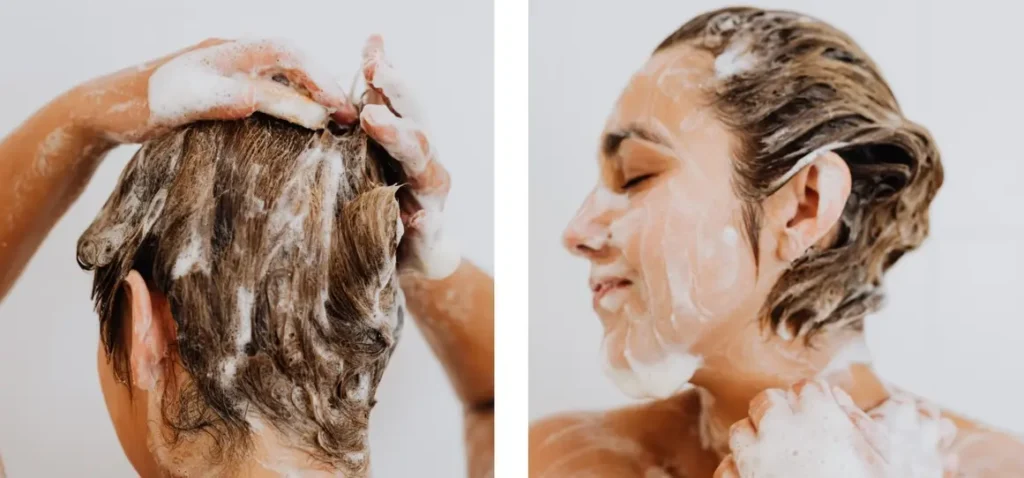
Sometimes I applied it for two or three days without washing with water. Then, when I finally shampooed, I used a strong cleanser because my roots felt coated.
The American Academy of Dermatology advises washing with regular shampoo and water after one or two dry-shampoo applications. Dry shampoo absorbs oil but does not actually clean the scalp, and relying on it alone may contribute to irritation or a scaly rash.
Once I looked at the full week rather than one product, the pattern became obvious.
I was adding powder, sweat, styling spray, oil, scalp serum, and exfoliant. Then I was trying to remove all of it in one strong wash.
My scalp was not failing to respond to skinification. It was responding predictably to a crowded routine.
The Reset Was Less Impressive Than the Routine
I stopped every non-essential scalp product for a short period.
I kept a basic shampoo that I already knew did not cause problems. I used conditioner on the lengths rather than spreading it heavily over my roots.
I washed with the pads of my fingers instead of my nails and stopped trying to make the scalp feel squeaky.
The routine looked almost too simple to count as beauty care.
Within several washes, the heavy coating reduced. The itching also became easier to judge because I was no longer changing three products at once.
This did not prove that simple shampoo cures every scalp problem. It showed that I needed a clear starting point.
A review of hair-care chemistry explains that shampoos remove sebum, environmental material, styling residue, and loose skin cells, while conditioners mainly improve the feel and manageability of the hair shaft. Products have different jobs, even when marketing places them together as one scalp system.
That distinction helped me stop coating the scalp with products intended mainly to make hair feel soft.
Medicated Shampoo Was Not Just Stronger Shampoo
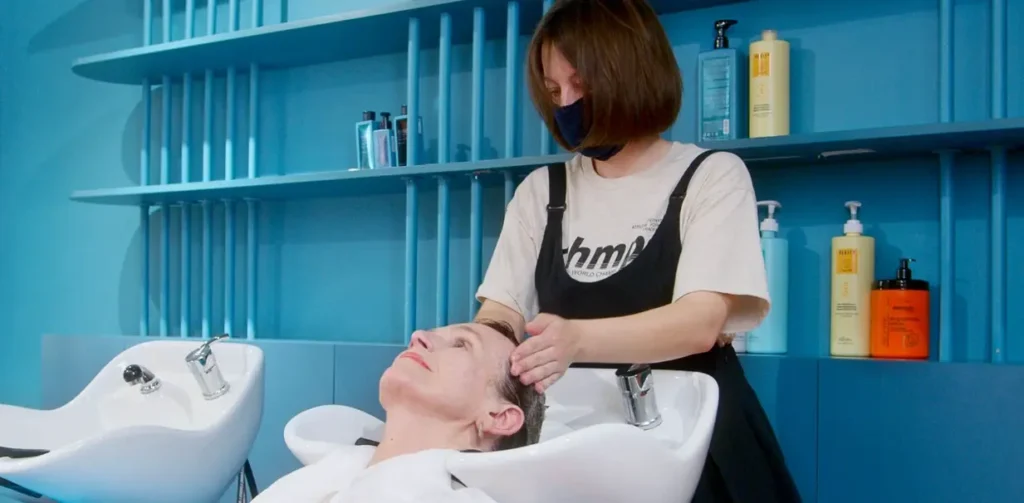
When ordinary washing did not fully settle the flakes, I spoke with a pharmacist rather than buying another cosmetic scrub.
I learned that anti-dandruff shampoos contain different active ingredients and should be chosen and used according to their directions.
The American Academy of Dermatology lists ingredients such as ketoconazole, selenium sulfide, salicylic acid, sulfur, coal tar, and zinc pyrithione among options used in dandruff products. Some need time on the scalp before rinsing, and the correct frequency can differ by hair type and formula.
DermNet similarly explains that medicated shampoos are designed for specific concerns. Salicylic acid may help loosen scale, while antifungal ingredients are used in products for dandruff and seborrheic dermatitis.
I had previously treated medicated shampoo as a more powerful cleanser. That was the wrong way to think about it.
Its value was not that it stripped more. Its value was that an active ingredient could address a particular cause.
That also meant I needed to follow the label instead of using it whenever my roots looked oily.
Scalp Serums Need a Real Reason to Exist
The word serum had made the products feel careful and skin-like.
Some scalp serums are made for hydration. Others contain exfoliating ingredients, oil-control ingredients, or cosmetic agents that make the roots feel fresh.
Those are very different jobs.
I now read a scalp serum the same way I read a facial product. I look at the full ingredient list, the directions, the stated purpose, and how often it is meant to be applied.
I also ask whether it overlaps with my shampoo.
Using an exfoliating shampoo and an exfoliating leave-on treatment during the same period may be more than my scalp tolerates. A soothing product may also contain fragrance that becomes irritating when the skin is already sore.
This is similar to the lesson I learned while adjusting my skincare routine when the weather changes. More active steps do not automatically create a more balanced routine.
I now introduce one product at a time and give myself enough time to notice what changes.
The Scalp Is Skin, but Hair Type Still Matters
One part of the scalp skinification trend that bothered me was how often the advice was presented as universal.
A person with fine, straight hair and an oily scalp may wash very differently from someone with tightly curled, coily, dry, chemically treated, or protective-styled hair.
The American Academy of Dermatology notes that dandruff-shampoo use may need to differ by hair texture. People with straight or oily hair may wash more often, while people with curly or coily hair may use medicated shampoo less often and mainly on the scalp to reduce drying of the hair.
This matters because scalp health and hair-shaft care can pull the routine in different directions.
The scalp may need enough cleansing to remove oil and scale. The lengths may need protection from dryness and breakage.
I stopped forcing one product through my entire head.
Shampoo could focus on the scalp. Conditioner could focus on the parts of the hair that felt dry.
That small separation made the routine more useful.
When the Salon Treatment Is Not the Answer

I once considered booking a scalp detox because the description promised to remove buildup, balance oil, and improve the condition of the scalp.
The service may have felt pleasant. It would not have diagnosed a persistent rash.
A cosmetic scalp service can wash, exfoliate, massage, or condition. It cannot replace medical care when there is ongoing pain, bleeding, thick scale, sores, sudden hair loss, or signs of infection.
Seborrheic dermatitis can create a scaly rash on oily parts of the body, including the scalp and areas around the face and ears. The AAD recommends professional diagnosis because it may resemble other skin conditions.
That became part of how I assess scalp services now.
I ask what the treatment can realistically do, which products will be applied, whether fragrance or exfoliating acids are involved, and what the provider recommends when symptoms look medical rather than cosmetic.
A relaxing treatment can be valuable. It simply should not be sold as an answer to every scalp concern.
My Scalp Routine Now Has Fewer Moving Parts
I no longer try to make scalp care match the number of steps in my facial routine.
I wash according to how my scalp and hair behave rather than waiting for a fashionable number of days. I keep styling residue in mind and do not use dry shampoo as a replacement for washing.
I apply conditioner mainly through my lengths. If I use a leave-on scalp product, it has one clear job.
I also pay attention to seasonal changes. Cold air, indoor heating, sweat, hats, swimming, and sun exposure can all change how the scalp feels.
That is one reason a routine that worked in winter may feel too heavy in summer.
The same practical thinking appears in my FsiBlog article about reducing avoidable skin stress without building an extreme routine. Consistency and protection usually matter more than owning every new category of product.
What the Flakes Taught Me
The flakes along my hairline were not the worst scalp problem anyone has experienced.
They were still useful because they showed me how quickly beauty language can turn a normal concern into a shopping project.
My scalp is skin. It deserves gentle cleansing, protection from irritation, and proper attention when something changes.
It does not need me to copy my facial routine under my hair.
The most useful part of scalp skinification is remembering that the scalp is living tissue, not merely the place hair grows from.
The least useful part is assuming that every facial trend needs a scalp version.
Now, when my scalp feels different, I do not begin by opening a shopping app. I look at what I have used, how often I have washed, whether the weather has changed, and whether the symptoms need professional attention.
That quieter approach has done more for my scalp than the shelf full of bottles ever did.
Health note: Persistent itching, pain, sores, thick scale, sudden shedding, or patchy hair loss should be assessed by a qualified healthcare professional.