

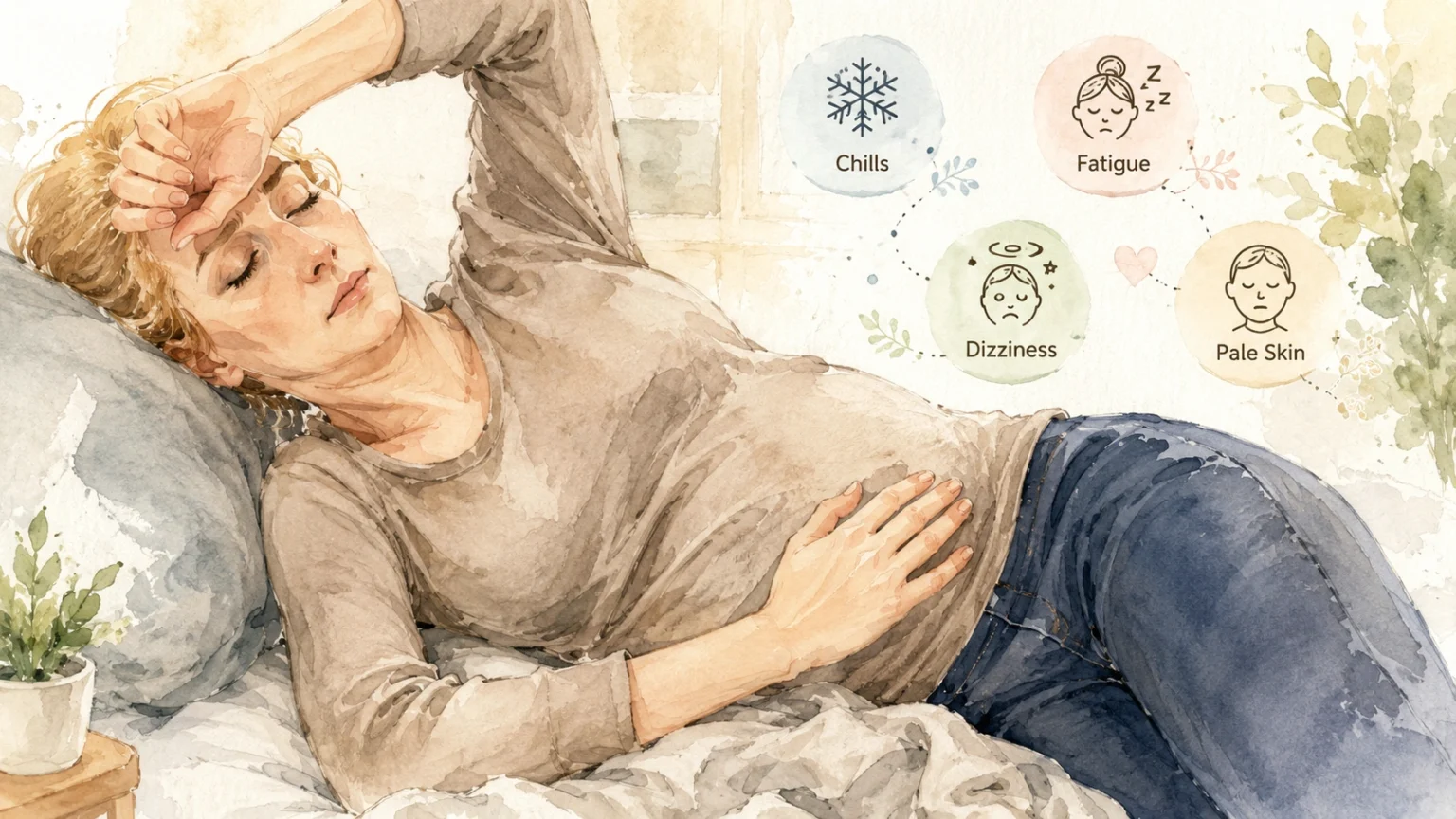
Pregnancy can make your body feel like it has a mind of its own. One day you feel warm, tired, and uncomfortable. The next day you are reaching for socks, blankets, and a hot drink because you cannot seem to get warm.
Feeling cold during pregnancy can feel confusing because many people expect pregnancy to make them feel warmer. For some women, that is true. Hormonal changes and increased blood flow can make you feel hot, sweaty, or flushed. But some pregnant women feel the opposite. They feel chilly, shivery, or cold more often than usual.
Feeling cold in pregnancy is not a sign that something is seriously wrong. It may be linked to normal body changes, tiredness, eating patterns, or temperature sensitivity. Still, it is worth paying attention to, especially if it is new, constant, or comes with other symptoms.
Is Feeling Cold During Pregnancy Normal?

Feeling cold during pregnancy can happen, and it does not automatically mean there is a problem with you or your baby. Pregnancy affects circulation, hormones, metabolism, appetite, sleep, and energy levels. Any of these changes can affect how warm or cold you feel.
Some people naturally run colder than others. Some feel colder in early pregnancy, especially when nausea, fatigue, and food aversions make it harder to eat normally. Others notice it later in pregnancy when their body feels tired or their iron levels drop.
However, feeling cold all the time should not be ignored. It can sometimes be connected to things like anemia, thyroid changes, low blood sugar, low blood pressure, dehydration, or infection.
Hormonal Changes Can Affect Body Temperature
Pregnancy hormones can change how your body regulates temperature. These changes are one reason some women feel warmer than usual, but hormones do not affect everyone in the same way.
Your body is working harder during pregnancy. Blood volume increases, your heart works more, and your metabolism changes. For some women, this creates extra warmth. For others, the body may become more sensitive to temperature changes.
You may notice that you feel cold in air-conditioned rooms, after getting out of the shower, at night, or when you are tired. This can be frustrating, but it is often part of your body adjusting.
Anemia Can Make You Feel Cold

One of the more common reasons for feeling cold during pregnancy is anemia, especially iron deficiency anemia.
During pregnancy, your body needs more iron because it is making more blood to support both you and your baby. If your iron levels become too low, your body may struggle to carry enough oxygen around efficiently. This can leave you feeling tired, weak, dizzy, short of breath, or unusually cold.
Signs that may point toward low iron include:
Tiredness that feels stronger than normal pregnancy fatigue
Feeling cold often, especially in your hands and feet
Pale skin
Dizziness or lightheadedness
Shortness of breath
Fast heartbeat
Weakness
If you feel cold and also feel unusually exhausted or dizzy, it is worth asking your doctor or midwife about checking your iron levels.
Thyroid Changes May Be Involved
Your thyroid helps control metabolism, energy, and temperature regulation. If your thyroid is underactive, your body may slow down in certain ways, and one symptom can be feeling cold more than usual.
Hypothyroidism, also called an underactive thyroid, can cause cold sensitivity, tiredness, constipation, dry skin, weight changes, low mood, and difficulty concentrating.
Some symptoms of thyroid problems can overlap with normal pregnancy symptoms, which makes it easy to miss. Feeling tired, gaining weight, or feeling emotionally low can happen in pregnancy anyway. But if these symptoms feel extreme, persistent, or unusual for you, it is best to speak with your healthcare provider.
Thyroid health matters during pregnancy, so it is always better to check rather than guess.
Not Eating Enough Can Make You Feel Chilly
Pregnancy can make eating complicated. Nausea, food aversions, heartburn, bloating, or smell sensitivity can all affect your appetite. If you are not eating enough, skipping meals, or going too long without food, you may feel cold, shaky, weak, or drained.
Your body needs steady energy during pregnancy. When blood sugar dips, some women feel chilly or lightheaded. This may be more noticeable in early pregnancy when morning sickness is strong.
Simple meals and snacks can help. You do not need anything fancy. A banana, toast, yogurt, soup, eggs, oatmeal, crackers with cheese, or a small sandwich can make a difference.
Try to eat small, regular meals if larger meals feel hard. If nausea is stopping you from eating or drinking enough, speak with your doctor or midwife. You do not have to just push through it.
Fatigue Can Make Your Body Feel Colder

Pregnancy tiredness is not ordinary tiredness. It can feel heavy, deep, and hard to shake. When your body is exhausted, you may feel colder than usual because your energy is being pulled in many directions.
This can be especially true in the first trimester, when hormones shift quickly, and in the third trimester, when sleep becomes harder. Poor sleep, stress, and physical discomfort can all make your body feel less able to regulate temperature.
Rest does not always fix everything, but it helps. Warm socks, layers, a blanket, and a warm drink can be comforting. But if the cold feeling is constant and paired with extreme fatigue, it is worth checking for anemia or thyroid issues.
Low Blood Pressure and Circulation Changes
Pregnancy can affect blood pressure and circulation. Some women experience lower blood pressure, especially earlier in pregnancy. This can make you feel dizzy, faint, weak, or cold.
You may notice it when standing up too quickly, after a warm shower, or if you have been standing for a long time.
To support circulation, try standing up slowly, drinking enough water, eating regularly, and avoiding standing still for long periods. If you feel faint often, or if you actually faint, you should contact your healthcare provider.
Dehydration Can Add to the Cold Feeling

Even mild dehydration can make you feel off. During pregnancy, dehydration may make you feel tired, dizzy, cold, headachy, or generally weak.
You may be more at risk if you have vomiting, sweating, diarrhea, or you simply cannot drink much because of nausea. Water is important, but fluids can also come from soups, fruit, and warm drinks your provider says are safe for you.
A simple sign to watch is your urine color. Very dark urine may suggest you need more fluids. If you cannot keep fluids down, contact a healthcare professional.
Feeling Cold With Chills or Fever
There is a difference between feeling chilly and having chills. If you are shivering, shaking, or feeling cold along with a fever, body aches, burning when you pee, abdominal pain, or feeling very unwell, it may be a sign of infection.
In pregnancy, infections should be taken seriously because some need prompt treatment. Do not wait too long if you feel feverish or ill.
Call your doctor, midwife, or local maternity care service if you have:
Fever
Chills or shaking
Pain or burning when urinating
Severe headache
Chest pain or trouble breathing
Persistent vomiting
Abdominal pain
Reduced baby movements later in pregnancy
Dizziness or fainting
Cold feeling that does not improve
What You Can Do at Home
If you feel mildly cold but otherwise well, a few simple steps may help.
Wear layers so you can adjust easily throughout the day. Keep your feet warm with socks or slippers. Eat small meals regularly, especially if nausea makes full meals difficult. Drink enough fluids. Rest when your body asks for it. Try warm soups, warm milk, or caffeine-free warm drinks if they suit you.
You can also keep a small note of when the cold feeling happens. Does it happen after long gaps between meals? At night? After standing up? On days when you feel extra tired? Patterns can help you understand what may be triggering it.
Still, home comfort should not replace medical advice if the cold feeling is strong, constant, or paired with other symptoms.
When to Speak With Your Doctor or Midwife

You should mention feeling cold at your next appointment, especially if it happens often. Your healthcare provider may decide to check your iron levels, thyroid function, blood pressure, or other signs depending on your symptoms.
Reach out sooner if the cold feeling is sudden, severe, or comes with dizziness, fainting, fever, chest pain, shortness of breath, strong weakness, or any symptom that worries you.
Pregnancy is not the time to feel like you are bothering anyone. If something feels unusual in your body, it is always reasonable to ask.
FAQs
Why Do I Feel Cold During Early Pregnancy?
You may feel cold in early pregnancy because of hormonal changes, tiredness, nausea, low food intake, or changes in circulation. Some women also feel colder if they are not eating enough because of morning sickness.
Can Low Iron Make You Feel Cold During Pregnancy?
Yes, low iron can make you feel cold, weak, dizzy, or unusually tired. Iron needs increase during pregnancy, so anemia is something your doctor or midwife may check for if you feel cold often.
Is Feeling Cold A Sign Of Miscarriage?
Feeling cold by itself is not usually considered a clear sign of miscarriage. However, if you have bleeding, strong cramping, severe pain, fever, chills, or feel very unwell, contact your healthcare provider right away.
Can Pregnancy Make You Sensitive To Cold?
Yes, pregnancy can make some women more sensitive to temperature changes. Hormones, blood flow, appetite changes, and fatigue can all affect how warm or cold you feel.
When Should I Worry About Feeling Cold In Pregnancy?
You should speak with your doctor or midwife if you feel cold all the time, feel faint, have a fever, experience chills, feel very weak, have shortness of breath, or notice symptoms that feel unusual for you.
What Helps With Feeling Cold While Pregnant?
Warm layers, socks, regular meals, enough fluids, rest, and warm drinks can help if you are mildly cold and otherwise well. If the feeling continues, it is best to ask your provider about possible causes like anemia or thyroid changes.
Disclaimer
This article is for general informational purposes only and should not replace medical advice from your doctor, midwife, or qualified healthcare provider. If you are pregnant and feeling unusually cold, unwell, faint, feverish, or worried about your symptoms, please contact your healthcare provider for personal guidance.