

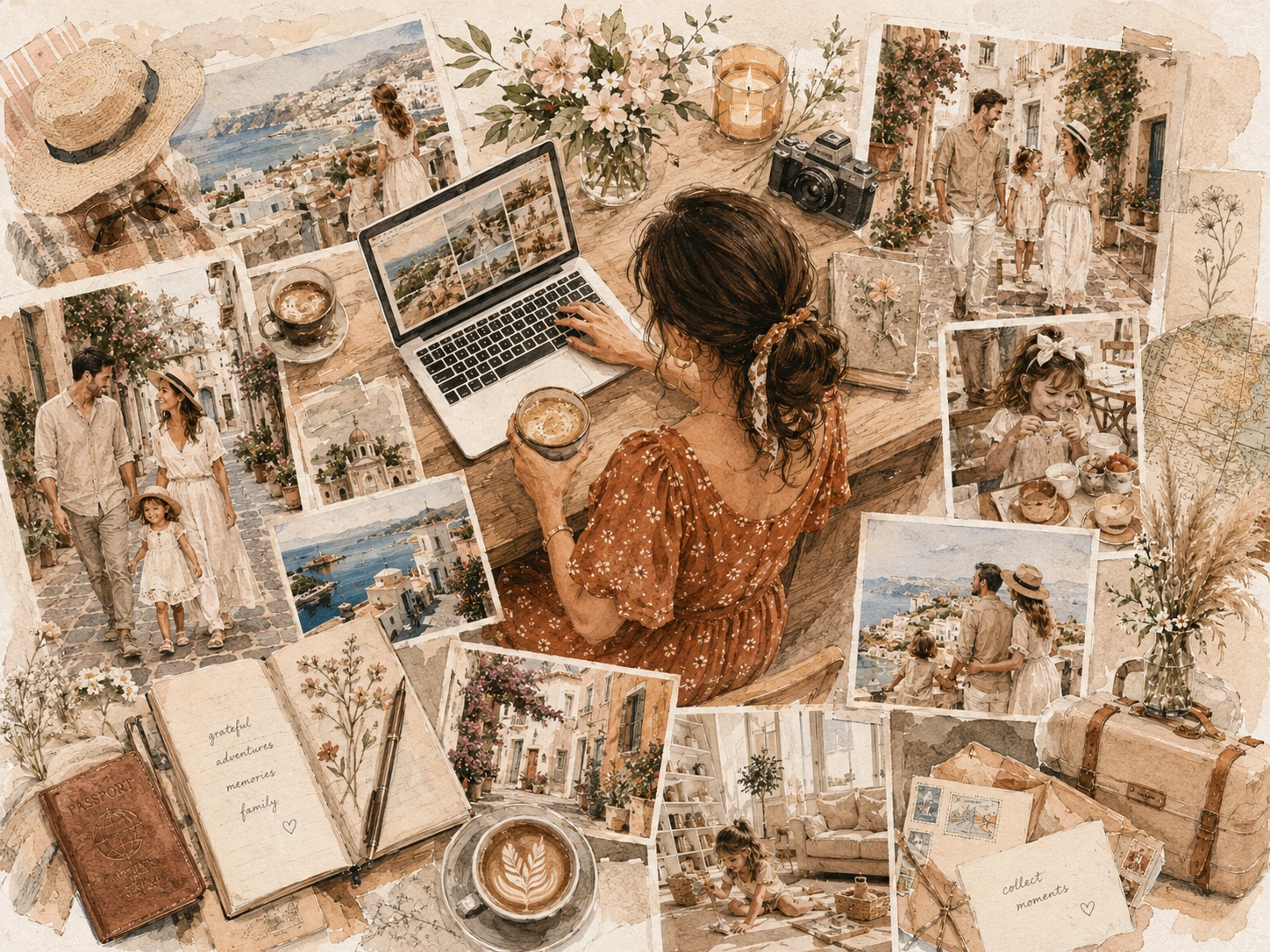
A family lifestyle travel blog is not only about pretty places, hotel photos, and packing bags. It is about real family life on the move. It is about tired children, snack breaks, small wins, messy rooms, wrong turns, and the sweet moments that make parents say, “This was worth it.”
My Little Babog family lifestyle travel blog can be shaped as a warm, honest space for parents who want useful travel ideas without feeling judged. It can speak to families who love days out, short breaks, home life, food, school routines, and simple memory-making.
This kind of blog works best when it feels real. Parents do not need perfect advice from someone pretending every trip is easy. They need clear help from someone who understands that family travel has a different rhythm.
Useful parts of this blog can include:
- Family travel stories that show both the good and hard parts
- Simple tips parents can use before leaving home
- Lifestyle posts about routines, food, home, school, and family time
- Honest reviews of places, products, and stays
- Budget tips for families who want fun without waste
- Personal notes that make the blog feel warm and trusted
| Blog area | What readers want | Best way to write it |
|---|---|---|
| Family travel | Clear help for trips with children | Use real examples and parent-friendly advice |
| Lifestyle | Daily family ideas | Keep it simple and practical |
| Reviews | Honest opinions | Share both good points and weak points |
| Food | Easy family meals and snacks | Mention time, cost, and child-friendly choices |
| Parenting | Support without pressure | Speak like a calm friend |
| Memories | Meaningful family moments | Use small details instead of perfect scenes |
What makes a family lifestyle travel blog feel real
A real family blog does not sound like a hotel leaflet. It sounds like a parent who has packed the wrong shoes, carried a tired child through a car park, and still found joy in the day. That honest tone is what makes readers stay.
Many blogs fail because they only show the shiny part of travel. Family readers need more than that. They want to know if the toilet was easy to find, if the café had space for a pram, if the walk was too long for small legs, and if the trip still felt worth the money.
A strong family blog gives useful help, but it also gives comfort. It tells parents that small problems are normal. It helps them plan better without making them feel bad for not doing everything perfectly.
Helpful signs of a real family blog include:
- Honest details about what worked and what did not
- Simple advice based on lived family moments
- Photos or stories that feel natural, not staged
- Tips for different ages of children
- Clear notes on cost, time, parking, food, and rest stops
- A kind tone that makes parents feel welcome
| Weak blog style | Better blog style |
| “This place is amazing for families.” | “This place worked well for us because the paths were flat, the toilets were near the entrance, and there was space for children to move.” |
| “Pack everything you need.” | “Keep snacks, wipes, spare clothes, and water where you can reach them fast.” |
| “Kids will love it.” | “Younger children may enjoy the play area, while older children may prefer the open walking space.” |
| “Perfect family day out.” | “It was not perfect, but it was easy enough to enjoy without feeling stressed.” |
The heart of My Little Babog

The heart of My Little Babog should be family life told with care. The name itself feels soft, personal, and child-focused. That gives the blog a natural chance to build trust with parents who want warm stories and useful advice.
A blog like this does not need to act bigger than it is. It can win readers by being honest, clear, and steady. Parents often connect more with small real details than with large travel claims.
For example, a post about a beach day should not only say the beach was beautiful. It should say how far the walk was from the car, whether the sand was easy with children, what food was nearby, and what the family would do differently next time.
Core ideas that fit the blog well:
- Family comes before perfect plans
- Simple trips can create strong memories
- Children need comfort, food, rest, and space
- Parents need advice that respects their time
- Travel can be local, low-cost, and still special
- Home life and travel life often mix together
| Blog value | What it means in real life |
| Honesty | Saying when a place was hard with young children |
| Warmth | Writing with care, not pressure |
| Usefulness | Giving details parents can act on |
| Trust | Avoiding fake praise and hidden sales talk |
| Simplicity | Using words busy parents can read quickly |
| Memory | Showing why small family moments matter |
Writing for parents who are busy and tired
Parents often read blog posts while feeding a baby, waiting outside school, sitting in the car, or planning a weekend late at night. They do not want heavy wording. They want answers fast.
This is why simple writing matters. Short paragraphs, clear headings, tables, and lists make the blog easier to read. The reader should be able to scan the page and still leave with useful help.
A parent reading about a family trip may want to know the basics first. Is it safe? Is it expensive? Is there food? Are there toilets? Is it worth going with young children? Once those questions are answered, they may read the story behind it.
Ways to help busy parents include:
- Put the most useful advice near the top
- Keep paragraphs short and clear
- Use tables for cost, time, age suitability, and packing
- Share what you would do again
- Share what you would avoid next time
- Use plain words instead of travel marketing language
| Parent question | Blog answer should include |
| Is it worth the trip? | Time, cost, effort, and child-friendly value |
| Will my child manage it? | Walking distance, noise, crowds, and rest spaces |
| What should I bring? | Snacks, clothes, wipes, water, toys, and backup items |
| What can go wrong? | Weather, tiredness, queues, parking, and food delays |
| Would you return? | A clear honest answer with reasons |
Family travel is different from adult travel
Family travel has its own rules. Adults may care about views, food, and comfort. Children may care about snacks, space, toilets, and whether they can touch things. A good family blog understands this difference.
Parents are not only planning a trip. They are planning around moods, naps, school times, meal times, weather, and energy. A small delay can change the whole day. A good tip can save the trip.
For example, a museum may be great for adults but hard for toddlers if there are long quiet areas. A garden may seem simple, but it can be perfect if children can walk, run, eat, and rest without pressure.
Family travel needs to consider:
- Short attention spans
- Tired legs
- Food needs
- Toilet access
- Baby changing areas
- Quiet places for breaks
- Weather backup plans
- Safe walking routes
- Easy parking or public transport
| Adult travel focus | Family travel focus |
| Best view | Safe space to stop and rest |
| Fine dining | Fast, simple food children will eat |
| Long walks | Short routes with breaks |
| Stylish hotel | Clean room, good beds, easy breakfast |
| Packed schedule | Flexible plan with free time |
| Late nights | Calm evenings and sleep routines |
The best family travel posts answer small questions
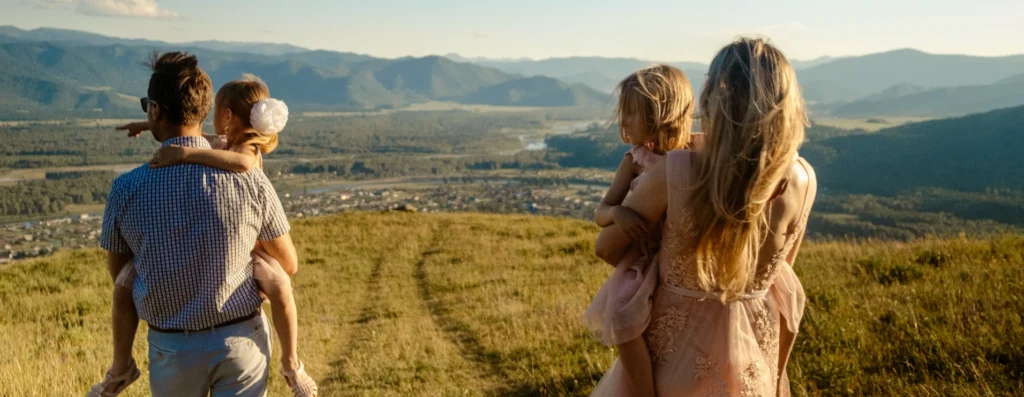
Small questions are often the most useful ones. A parent may not search for a perfect travel story. They may search for whether a place has parking, if a pushchair can fit, or what to pack for a rainy day out.
This is where My Little Babog can stand out. Instead of writing broad posts that sound like many other blogs, it can answer the little questions parents really care about.
A strong family travel post can include a short personal story, but it should also include practical notes. The story gives warmth. The notes give value.
Small questions worth answering include:
- How long did the trip take with children?
- Was parking close to the entrance?
- Were there clean toilets?
- Was the place easy with a pram?
- Were children allowed to make noise?
- Was food easy to buy?
- Did the trip feel worth the cost?
- What age group would enjoy it most?
- What would you bring next time?
| Small detail | Why it matters to parents |
| Toilet location | Prevents stress with young children |
| Food prices | Helps families plan spending |
| Walking distance | Matters for toddlers and tired children |
| Queue time | Helps parents prepare snacks and patience |
| Seating areas | Gives families a rest point |
| Weather cover | Saves the day when rain starts |
Simple family trip planning that works
Family trip planning should not feel like a job. It should make the day easier. The best plan is not packed with too much. It gives the family enough shape to feel safe, but enough room to change if children get tired.
A parent-friendly plan starts with the basics. Where are we going? How long will it take? What will the children eat? What happens if the weather changes? What is the easiest way to leave if the day becomes too much?
A helpful blog post can show readers how to plan without making them feel they need a perfect folder, printed maps, and a full schedule.
A simple family plan can include:
- One main activity
- One easy food option
- One backup indoor idea
- One quiet break space
- One clear leaving time
- One small treat for the children
- One parent comfort item, such as coffee or a calm walk
| Planning area | Simple family choice |
| Main activity | Pick one place, not a full list |
| Food | Know one nearby café or bring packed food |
| Travel | Leave extra time for stops |
| Weather | Keep coats, hats, or spare clothes ready |
| Rest | Plan a quiet break before children are too tired |
| Money | Set a clear spend limit before leaving |
Packing for family travel without taking the whole house
Packing with children can get out of hand quickly. Parents often pack too much because they are trying to avoid problems. The trick is not to pack everything. The trick is to pack the things that solve common problems fast.
A good My Little Babog post could help parents build a simple packing style. It can show what to keep in the car, what to keep in the bag, and what to leave at home.
The best family travel bag is easy to use. If snacks, wipes, spare clothes, and water are buried under ten other items, the bag will not help much when a child needs something quickly.
Useful family packing items include:
- Snacks that do not make too much mess
- Water bottles
- Wipes and tissues
- Spare clothes
- A small first aid pouch
- Weather layers
- A simple toy or book
- Plastic bags for wet or dirty clothes
- Phone charger
- Any medicine the family may need
| Bag item | Why it helps |
| Wipes | Useful for hands, faces, spills, and seats |
| Spare clothes | Helps with rain, accidents, and food mess |
| Snacks | Buys time during waits and delays |
| Water | Keeps children comfortable during travel |
| Small toy | Helps during queues or quiet moments |
| Plastic bag | Stores wet clothes or rubbish |
| Light jacket | Helps when weather changes |
Budget family travel can still feel special
Family travel does not have to mean expensive holidays. Some of the best family memories come from local parks, beach walks, library visits, farm days, garden picnics, and short road trips.
A lifestyle travel blog should make low-cost ideas feel just as valuable as big trips. This is important because many parents feel pressure when they see costly family holidays online. A helpful blog can remind them that children often remember simple moments more clearly than expensive plans.
A family picnic with warm drinks, homemade sandwiches, and a ball can be a full day out. A train ride to a nearby town can feel exciting to a child. A walk after rain can become a nature hunt.
Low-cost family travel ideas include:
- Local parks with a packed lunch
- Beach walks outside peak season
- Free museum days
- Library events
- Nature trails
- Community fairs
- Short train rides
- Garden picnics
- Local food markets
- Family photo walks
| Budget idea | Why children may enjoy it |
| Picnic in the park | Food outside feels fun and relaxed |
| Library event | Calm, warm, and often free |
| Beach walk | Sand, shells, and open space |
| Local train trip | The journey becomes part of the fun |
| Nature trail | Children can look for leaves, birds, and stones |
| Food market | Small snacks can feel like a treat |
Honest hotel reviews for families
A hotel review for families should not only talk about style. Parents want to know how the stay worked in real life. A beautiful room is less helpful if there is no space for bags, the breakfast is slow, or the lift is tiny.
A useful family hotel review should include comfort, safety, sleep, food, noise, and staff attitude. It should also say whether the hotel felt welcoming to children.
For example, a hotel may not be sold as a family hotel, but it may still work well because the rooms are clean, breakfast is easy, and staff are kind. Another hotel may look child-friendly online but feel stressful because it is crowded and noisy.
Good hotel review details include:
- Room size
- Bed comfort
- Noise level
- Breakfast options
- High chairs
- Lift access
- Parking
- Nearby shops
- Staff response to children
- Baby cot or extra bed quality
| Review point | Family reason |
| Room layout | Families need space for bags, shoes, and sleep items |
| Breakfast speed | Hungry children do not wait calmly for long |
| Noise level | Sleep can shape the next day |
| Parking | Close parking makes arrival easier |
| Staff attitude | Kind staff lower parent stress |
| Nearby shop | Useful for milk, snacks, wipes, and forgotten items |
Food matters more than parents expect
Food can shape a family trip more than the main activity. A hungry child can turn a good day into a hard one. A tired parent with no coffee or proper meal may feel the same.
My Little Babog can add strong value by writing clearly about food during family travel. This includes packed lunches, café choices, snack ideas, and meal timing.
Family food advice should be real. It should not pretend children will always eat healthy meals while travelling. Sometimes the best choice is a simple meal that keeps everyone calm and moving.
Family food tips include:
- Feed children before they are very hungry
- Keep a small snack ready for queues
- Bring food that is easy to hold
- Avoid messy snacks in the car
- Check café menus before visiting
- Carry water even for short trips
- Plan one small treat so children have something to look forward to
| Travel food | Best use |
| Crackers | Quick snack during waits |
| Fruit pieces | Fresh option for short trips |
| Sandwiches | Simple lunch without café costs |
| Dry cereal | Useful for toddlers and car rides |
| Water | Better than waiting to buy drinks |
| Small treat | Helps make the day feel special |
Family lifestyle content keeps the blog grounded
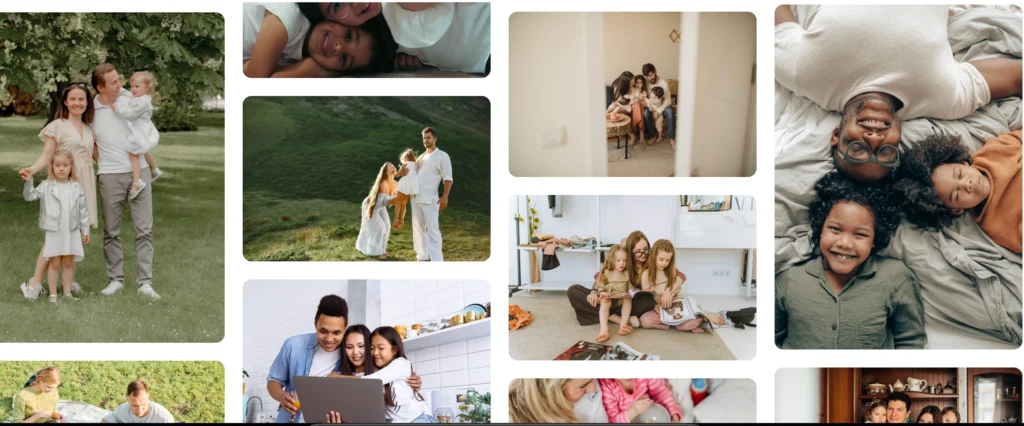
Travel posts bring excitement, but lifestyle posts keep the blog close to daily life. Parents may visit for a holiday idea and stay for school tips, meal notes, home routines, and honest family stories.
A family lifestyle blog can cover the normal parts of family life that happen between trips. These posts make the blog feel human. They also help readers connect with the writer beyond travel.
Lifestyle content can include morning routines, toy storage, simple meals, rainy day ideas, bedtime, school prep, home comfort, and family traditions.
Good lifestyle topics include:
- Easy weekday meals
- Family routines that lower stress
- Rainy day activities
- Toy and bag storage
- School morning tips
- Screen time balance
- Simple home cleaning habits
- Family memory ideas
- Low-cost weekend plans
- Parent rest and quiet time
| Lifestyle topic | Why it fits a family travel blog |
| Morning routine | Travel days often start at home |
| Snack planning | Helps both home life and days out |
| Toy storage | Makes packing easier |
| Bedtime | Sleep affects family trips |
| Rainy day play | Useful when plans change |
| Parent rest | Helps the whole family feel calmer |
Writing travel stories without making them too long
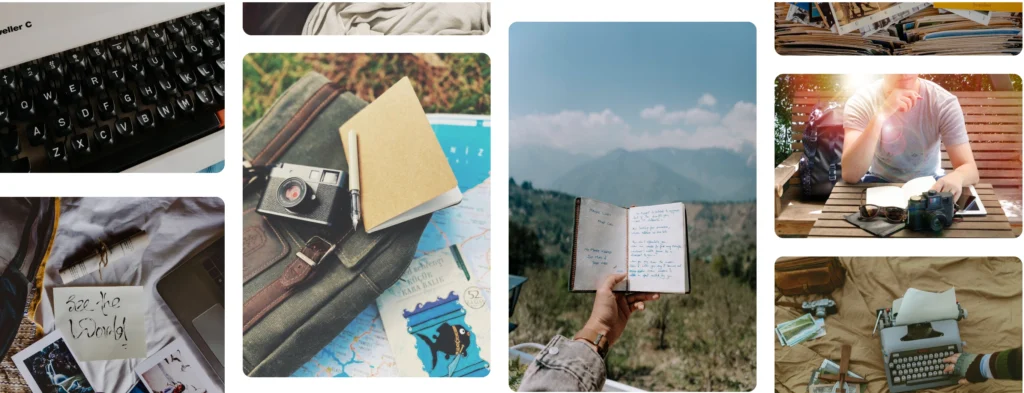
A travel story should have feeling, but it should not bury the useful details. Parents enjoy personal moments, but they also need clear takeaways.
A good post can start with a short scene. Maybe the child was excited to see the sea. Maybe the family arrived late because of traffic. Maybe the day started badly but ended well. This gives life to the post.
After that, the blog should move into helpful details. Readers should not have to read many long paragraphs before learning whether the place is good for families.
A balanced travel story includes:
- A short personal opening
- A clear reason for the trip
- Useful details about travel time and cost
- Notes about food, toilets, and rest
- What children enjoyed most
- What parents found hard
- What the family would do next time
| Story part | Keep it useful by adding |
| Opening scene | One real family moment |
| Place description | What families will notice first |
| Main activity | Age fit and effort level |
| Hard part | A clear warning or fix |
| Best part | Why it mattered to the family |
| Final thought | Whether the trip is worth repeating |
Photos should support the story
Photos are powerful, but they should help the reader understand the trip. A family lifestyle travel blog does not need every photo to look perfect. It needs photos that answer questions.
A simple photo of the entrance, parking area, lunch spot, walking path, or play space can help parents more than a polished pose. The goal is not only beauty. The goal is usefulness.
Photos can also protect trust. When readers see real spaces, they can judge if a place will work for their family.
Helpful photo ideas include:
- Entrance area
- Paths and walking spaces
- Food or café setup
- Play areas
- Seating spots
- Views from child height
- Room layout in hotels
- Packing setup before leaving
- Rainy day backup items
- Small family details, such as boots by the door
| Photo type | What it tells the reader |
| Entrance | Shows access and first impression |
| Path | Helps parents judge pram use |
| Café | Shows space, seating, and child comfort |
| Hotel room | Shows real family space |
| Packed bag | Helps readers copy the setup |
| Outdoor area | Shows safety and movement space |
Reviews should be honest, not harsh
Honest reviews help readers trust the blog. But honesty does not mean being rude. A good review can be kind, fair, and clear.
If something was not good, explain why. Was the food too slow for children? Was the room too small? Was the walk too long? Was the price too high for what was offered? These details help readers decide.
A review should also explain who the place may suit. A place that was hard with toddlers may be fine for older children. A busy café may not suit a baby, but it may work for a quick meal with school-age kids.
A fair review includes:
- What worked well
- What felt difficult
- Who the place suits best
- What parents should know before going
- Whether the cost felt fair
- What could make the visit better
- Whether the family would return
| Review tone | Better wording |
| Too harsh | “The café was awful.” |
| More helpful | “The café was clean, but service was slow, so it may be hard with hungry toddlers.” |
| Too vague | “The hotel was nice.” |
| More helpful | “The hotel worked well because the room was quiet and breakfast was simple.” |
| Too promotional | “Every family must visit.” |
| More helpful | “Families with children who enjoy animals and outdoor space may like this most.” |
Local days out deserve more attention
Many family travel blogs focus on big holidays, but local days out are often more useful. Most families need weekend ideas more often than big trip ideas.
Local content also helps build a loyal readership. Parents near the same area may return again and again if the blog gives clear local help.
A local day out post can be simple but valuable. It can cover a park, café, farm, soft play centre, small museum, beach, forest path, or town walk.
Local day out posts can include:
- Best time to visit
- Parking notes
- Cost notes
- Food options
- Toilet access
- Age suitability
- Weather advice
- How long to stay
- What to bring
- Nearby backup plans
| Local place | Helpful family angle |
| Park | Best area for young children |
| Café | Space for prams and quick meals |
| Farm | Animal areas, paths, and hand washing |
| Beach | Tide, wind, toilets, and sand play |
| Museum | Noise level and child-friendly displays |
| Forest | Path type, mud, and picnic spots |
Travel with babies needs gentle planning
Travelling with babies is not about doing more. It is about keeping things calm enough for everyone to cope. Parents with babies need simple advice that respects feeding, naps, changing, and tiredness.
A baby-friendly trip usually needs fewer stops, softer timing, and easy exits. The best plan may be a short outing close to home before trying longer travel.
My Little Babog can be very helpful by sharing baby travel advice that feels honest. Parents need to hear that it is okay to leave early, skip part of the plan, or change the day around a nap.
Baby travel tips include:
- Keep the first trip short
- Pack more clothes than you think you need
- Choose places with easy changing access
- Keep feeding items easy to reach
- Avoid too many stops in one day
- Plan around the baby’s calmest time
- Keep a quiet backup place in mind
| Baby need | Travel planning choice |
| Feeding | Choose places where feeding feels comfortable |
| Naps | Avoid full-day plans at first |
| Changing | Check toilet and changing access |
| Comfort | Bring a familiar blanket or small item |
| Weather | Pack layers and shade items |
| Parent energy | Keep the day simple and close to home |
Travel with toddlers needs space and patience
Toddlers are curious, fast, and easily tired. They may love a place for ten minutes and then need something else. This does not mean the trip failed. It means the plan needs toddler space.
A toddler-friendly blog post should focus on movement, snacks, safety, and rest. Long quiet tours may be hard. Open parks, farms, beaches, gardens, and hands-on spaces may work better.
Parents of toddlers also need tips for leaving without a meltdown. A simple warning before leaving, a snack, or a small goodbye routine can help.
Toddler travel tips include:
- Pick places with safe space to move
- Keep snacks close
- Avoid long waiting times
- Bring spare clothes
- Plan a short main activity
- Use simple words to explain the day
- Give a calm warning before leaving
- Leave before everyone is fully exhausted
| Toddler challenge | Helpful fix |
| Running off | Choose enclosed or open safe spaces |
| Sudden hunger | Keep snacks in an outer pocket |
| Mess | Bring wipes and spare clothes |
| Tiredness | Plan a rest before the child crashes |
| Leaving upset | Use a simple goodbye routine |
| Short attention | Keep plans flexible |
Travel with school-age children can be more active
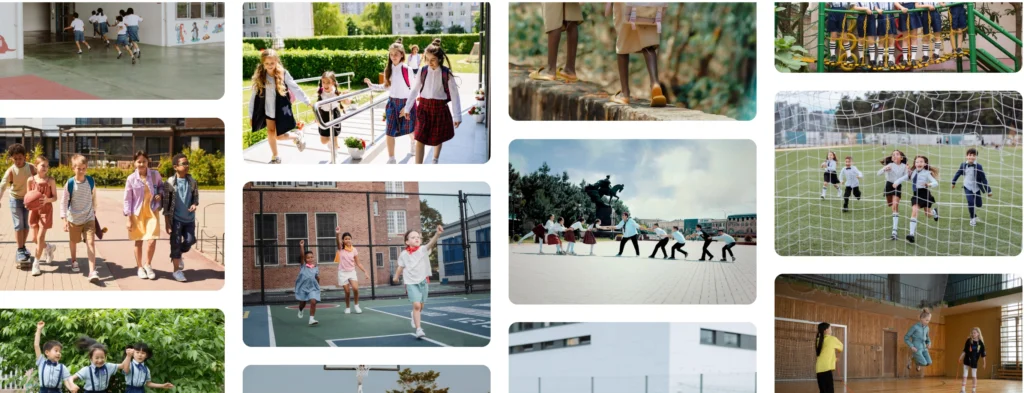
School-age children can often handle longer trips, but they still need breaks and choice. They may enjoy helping with plans, picking snacks, reading signs, or choosing part of the route.
A blog can help parents by sharing ideas that give children small roles. This makes the day feel more fun and less like adults dragging children around.
For example, a child can carry a small backpack, take photos, help find the next sign, choose between two lunch spots, or keep a simple travel journal.
School-age travel ideas include:
- Let children help choose one activity
- Give them a small bag to manage
- Ask them to take photos of favorite moments
- Use maps as a simple game
- Bring a notebook for drawings
- Let them pick a snack within budget
- Talk about the plan before leaving
| Child role | Why it helps |
| Snack helper | Gives responsibility and keeps food organized |
| Photo taker | Helps children notice details |
| Map reader | Makes walking feel like a task, not a chore |
| Bag carrier | Builds independence |
| Lunch chooser | Gives choice within parent limits |
| Memory keeper | Helps the child value the day |
Family travel mistakes worth talking about
Mistakes are useful. A blog that only shares perfect plans misses the chance to teach readers something real. Parents often trust a writer more when they admit what went wrong and how they fixed it.
A mistake does not need to be dramatic. It can be as simple as forgetting spare socks, arriving too late, choosing the wrong café, or packing snacks that melted in the car.
These small lessons can become some of the most helpful parts of the blog.
Common family travel mistakes include:
- Leaving too late in the day
- Planning too many stops
- Forgetting spare clothes
- Not checking food options
- Ignoring nap or rest needs
- Packing too much and losing key items
- Not having a rainy day backup
- Spending too much on things children did not enjoy
| Mistake | Better choice next time |
| Too many activities | Pick one main thing and one optional thing |
| No food plan | Bring snacks and know one food stop |
| Wrong shoes | Check paths and weather first |
| Late start | Leave earlier or shorten the plan |
| No spare clothes | Keep a small clothing pouch ready |
| No quiet break | Plan rest before children become upset |
Building family traditions through travel
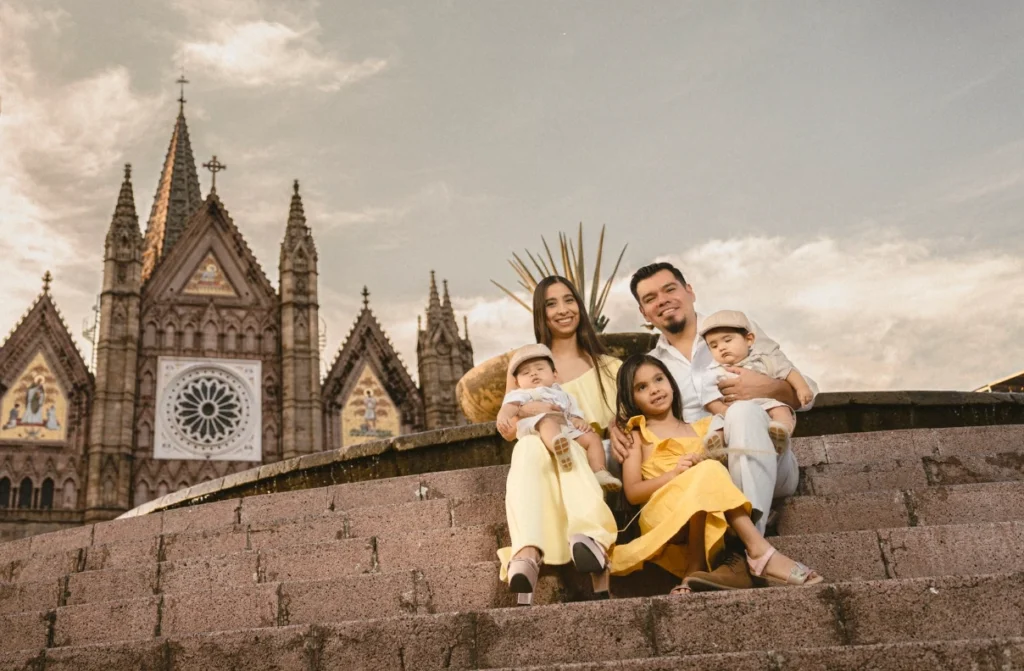
Family traditions do not need to be grand. A tradition can be buying hot chocolate after a winter walk, taking the same photo each year, collecting postcards, or making pancakes the morning after a trip.
A blog like My Little Babog can give readers ideas for small traditions that fit normal life. These ideas help families turn simple trips into lasting memories.
Children often remember repeated moments. They may forget the name of a town, but remember that everyone ate chips by the sea or sang the same song in the car.
Simple family travel traditions include:
- A photo in the same pose on each trip
- A travel snack saved for special days
- A small notebook for child drawings
- A postcard collection
- A family walk after hotel breakfast
- A song for the car ride
- A simple trip jar for tickets and notes
- A bedtime story about the day
| Tradition | Memory it creates |
| Same photo pose | Shows children growing over time |
| Travel snack | Makes trips feel special |
| Postcards | Gives children a keepsake |
| Trip jar | Stores small memories in one place |
| Car song | Adds fun to the journey |
| Day story | Helps children process the trip |
Keeping family travel safe without making it scary
Safety is part of family travel, but it should not make the day feel frightening. The best safety advice is calm, simple, and easy to follow.
Parents need practical reminders. Keep children close in busy places. Take photos of what they are wearing. Choose a meeting point with older children. Keep medicine and emergency contacts easy to reach.
A family blog can talk about safety in a gentle way. The goal is not fear. The goal is peace of mind.
Family safety tips include:
- Take a quick photo of children before entering a busy place
- Teach children what staff uniforms look like
- Keep emergency contacts saved and written down
- Choose a simple meeting point for older children
- Keep medicine in an easy pocket
- Stay realistic about water, roads, crowds, and animals
- Trust your own comfort level as a parent
| Safety area | Simple habit |
| Crowds | Hold hands or use clear meeting points |
| Clothing | Take a quick outfit photo |
| Medicine | Keep it easy to reach |
| Water | Stay close and watch constantly |
| Roads | Pause before exits and car parks |
| Older children | Agree on where to meet if separated |
Working with brands while keeping trust
A family lifestyle travel blog may work with brands, hotels, travel services, or family products. This can be useful, but trust must come first.
Readers can usually tell when a review sounds forced. If every product is perfect and every stay is wonderful, the blog loses value. Honest brand work should still serve the reader.
A clear sponsored post can be helpful if it answers real family questions. The writer should still share what worked, what to check, and who the product or place suits.
Trust rules for brand posts include:
- Be clear when a post is paid or gifted
- Only work with brands that fit the family audience
- Share honest points, not only praise
- Test products in real family use where possible
- Avoid claims that cannot be backed up
- Put reader needs before brand wording
| Brand post risk | Trust-friendly fix |
| Sounds too perfect | Add real use notes and limits |
| Not clear if paid | State the partnership clearly |
| Wrong audience fit | Only accept family-relevant work |
| Too much brand language | Use parent-friendly wording |
| No useful detail | Add cost, use, comfort, and fit |
| Overpromising | Keep claims fair and realistic |
SEO for a family lifestyle travel blog should still sound human
SEO helps people find the blog, but it should not make the writing stiff. The best family blog SEO uses natural questions parents ask.
Instead of stuffing the same phrase again and again, write around the topic clearly. Use headings that answer real needs. Add tables, tips, and examples that make the page helpful.
Google’s helpful content direction rewards pages that satisfy readers. That means the article should feel written for parents first, not search engines first.
Human-friendly SEO habits include:
- Use clear titles that match reader questions
- Write useful headings
- Answer small practical questions
- Add personal experience where true
- Avoid repeating keywords too much
- Make posts easy to scan
- Keep advice original and specific
- Update old posts when details change
| SEO task | Human way to do it |
| Keyword use | Place it naturally in the title and intro |
| Headings | Turn parent questions into headings |
| Internal links | Link to related family posts |
| Photos | Use clear file names and helpful alt text |
| Updates | Refresh prices, times, and access notes |
| Readability | Use short paragraphs and tables |
Content ideas for My Little Babog
A strong blog needs a steady mix of post types. Too many travel posts can feel narrow. Too many lifestyle posts can make the travel side weak. A good mix keeps readers interested.
Content should match real family seasons. School holidays, rainy weekends, birthdays, summer breaks, winter walks, and back-to-school time can all guide topic planning.
A blog can also reuse one trip in many helpful ways. One beach visit could become a packing post, a budget post, a photo story, a food post, and a toddler tips post.
Useful content ideas include:
- Best family days out on a small budget
- What to pack for a rainy family trip
- A real review of a family hotel stay
- Easy car snacks for children
- How to plan a calm weekend with kids
- Family travel mistakes I would not repeat
- Simple home routines before a trip
- How to make local walks fun for children
- Family-friendly café review
- What we keep in our day-out bag
| Content type | Example post idea |
| Travel guide | A calm family day by the sea |
| Packing post | What stays in our family travel bag |
| Lifestyle post | A simple Sunday reset for parents |
| Food post | Easy snacks for short car trips |
| Review | What this hotel was really like with children |
| Personal story | The trip that did not go to plan but still mattered |
A useful post template for family travel
Having a simple post template can make writing faster and clearer. It also helps readers know what to expect.
The template should not make every post feel the same, but it can make sure key details are not missed. Parents will thank the writer for being clear about the things that matter.
A family travel post can open with a short story, then move into practical details, then end with honest advice.
A strong post template includes:
- Short family scene
- Why you chose the place
- Who went on the trip
- Travel time and arrival notes
- Cost and booking details
- Food and toilet notes
- Best part for children
- Hardest part for parents
- What to pack
- Final honest opinion
| Post section | What to include |
| Opening | One real moment from the day |
| Quick facts | Cost, time, location, and age fit |
| Family experience | What happened in simple order |
| Parent tips | What made the day easier |
| Honest warning | What could be hard for other families |
| Final view | Whether you would go again |
Expert-style note on family travel writing
An expert-style way to think about family travel writing is simple: the post should help a parent make a better choice before they spend time, money, and energy.
A family travel editor might say, “A useful family post does not only tell readers where you went. It tells them what the day felt like with children, what made it easier, and what you would change next time.”
That is the standard My Little Babog can aim for. The blog should not only show trips. It should help readers plan with more confidence.
Strong expert-style advice includes:
- Write for the parent who is planning at night
- Give clear answers early
- Use real family details
- Mention limits and problems
- Respect different budgets
- Keep the child’s experience in view
- Share parent comfort tips too
| Writing choice | Why it helps |
| Clear first paragraph | Tells readers the post is useful |
| Honest detail | Builds trust |
| Real examples | Makes advice easier to picture |
| Tables | Helps busy readers scan |
| Parent tone | Makes the blog feel friendly |
| Practical ending | Helps readers take action |
Original editorial insight for better family posts
A simple way to make My Little Babog more original is to use what can be called the “before, during, after” test. Many travel posts only talk about the trip itself. Family readers need more.
Before the trip, they need packing, timing, cost, and travel notes. During the trip, they need food, toilets, rest, and child-friendly details. After the trip, they need to know if it was worth the effort and what could be improved.
This method makes each post richer without using heavy wording. It also helps the blog avoid thin content.
The before, during, after test includes:
- Before: what to plan and pack
- During: what helped on the day
- After: what the family learned
- Before: what parents may worry about
- During: what children enjoyed
- After: whether the trip should be repeated
| Stage | Best blog details |
| Before | Booking, packing, route, food, weather |
| During | Arrival, crowds, toilets, rest, child reaction |
| After | Cost value, lessons, favorite moment, next time changes |
Making the blog useful for different family budgets
Family readers do not all have the same budget. Some may plan big holidays. Others may need free or low-cost ideas. A good blog welcomes both without making anyone feel left out.
Money talk should be clear and kind. Parents do not need shame. They need choices. A post can show a low-cost option, a middle option, and a higher-cost option when useful.
For example, a day out can include a packed lunch, a café lunch, or a restaurant meal. All can work depending on the family.
Budget-friendly writing can include:
- Free things nearby
- Packed lunch ideas
- Parking cost notes
- Low-cost treats
- Ways to avoid waste
- When a paid activity is worth it
- When a free option may be better
- How to reuse travel items
| Family budget need | Helpful blog answer |
| Save money | Show packed food and free parking options |
| Spend wisely | Explain what is worth paying for |
| Avoid waste | Warn about extras that may not be needed |
| Plan treats | Suggest one small paid treat |
| Compare options | Use clear tables |
| Reduce pressure | Remind readers that simple days count |
Seasonal family travel ideas
Seasons change what families need. Summer may need shade, water, and early starts. Winter may need warm clothes, indoor backup plans, and shorter outings. Spring may be good for gardens and farms. Autumn may be perfect for walks, markets, and cosy food.
Seasonal posts are useful because parents often plan around school breaks and weather. They also help the blog stay fresh through the year.
A good seasonal post should include what to wear, what to pack, what to avoid, and what children may enjoy most.
Seasonal ideas include:
- Spring farm visits
- Summer beach days
- Autumn park walks
- Winter museum trips
- Rainy day café stops
- School holiday local plans
- Christmas market family tips
- Back-to-school calm weekends
| Season | Family travel focus |
| Spring | Mud, layers, farms, gardens |
| Summer | Shade, water, sunscreen, early starts |
| Autumn | Warm drinks, leaves, walks, markets |
| Winter | Indoor stops, coats, short plans, hot food |
| Rainy days | Backup plans, spare socks, easy cafés |
| School breaks | Booking early and avoiding overfilled days |
How to write about family memories without sounding fake
Family memory writing should feel gentle and specific. It does not need to turn every moment into a life lesson. Sometimes a child eating chips on a bench is enough.
The best memory writing uses small details. What did the child say? What did the air feel like? What made the parent smile? What small problem became funny later?
This kind of writing makes the blog warm. It also helps readers feel connected.
Good memory details include:
- A funny child comment
- A small mistake
- A quiet parent moment
- A smell, sound, or place detail
- A repeated family habit
- A simple photo memory
- A lesson learned without preaching
| Flat sentence | Warmer sentence |
| “We had a nice day.” | “We sat on a bench with warm chips while the children counted birds near the path.” |
| “The kids enjoyed it.” | “The children talked about the play area all the way home.” |
| “It was tiring.” | “By the time we reached the car, everyone was quiet, muddy, and ready for dinner.” |
| “We will go again.” | “Next time, we would arrive earlier and bring extra socks.” |
Parent self-care belongs in the story too
Family blogs often focus only on children. But parents are part of the trip too. A tired, hungry, stressed parent will find it harder to enjoy the day.
My Little Babog can stand out by including parent comfort in travel posts. This does not mean making the trip all about adults. It means remembering that the whole family matters.
A simple parent note can be very useful. Was there coffee nearby? Was there a quiet place to sit? Could one parent take a break? Was the drive too long after a hard week?
Parent comfort tips include:
- Bring water for yourself too
- Eat before you get too tired
- Do not plan too much after a bad night
- Choose trips that match your energy
- Build in quiet time
- Share tasks if another adult is present
- Leave early without guilt if needed
| Parent need | Small travel fix |
| Rest | Plan a sit-down break |
| Food | Pack something for yourself |
| Calm | Choose quieter times when possible |
| Energy | Keep the trip short after hard weeks |
| Support | Share packing and child tasks |
| Comfort | Wear shoes and clothes that suit the day |
Making family travel posts more helpful than common content
To avoid sounding like every other blog, My Little Babog should add details that only real family experience can give. Common advice says “pack snacks.” Better advice says which snacks worked, where they were kept, and when they saved the day.
Common content is often too broad. Helpful content is specific. A reader should leave the post feeling like they know what to expect.
For example, instead of saying “visit early,” explain why. Was the car park full by late morning? Were children calmer after breakfast? Was the café quieter before lunch?
Ways to make posts more original include:
- Add small real details
- Say what surprised you
- Share what was not worth it
- Explain who should skip the place
- Mention the best time to arrive
- Share how children reacted
- Add a parent lesson at the end
| Common advice | More helpful advice |
| Pack snacks | Keep dry snacks in an outer pocket for queues |
| Go early | Arrive before the car park fills and before children get tired |
| Bring spare clothes | Pack socks too, not only trousers and tops |
| Check the weather | Bring a backup indoor stop if rain is likely |
| Plan breaks | Stop before children are upset, not after |
| Take photos | Take useful photos of paths, rooms, food, and signs |
Simple social media support for the blog
A family lifestyle travel blog can grow through social media, but posts should still feel natural. The best social content can show small moments, quick tips, and honest notes from real days.
Short posts can point readers back to the full blog. A photo of a packed day-out bag can link to a packing guide. A rainy walk photo can link to local rainy day ideas.
The goal is not to look perfect. The goal is to be useful and familiar.
Social media post ideas include:
- What we packed today
- Best snack from today’s trip
- A place we would visit again
- A place that was harder than expected
- Quick rainy day plan
- Hotel room first look
- Family travel mistake of the week
- Simple weekend idea
| Social post | Blog link idea |
| Packed bag photo | Family day-out packing guide |
| Café table photo | Family-friendly café review |
| Rainy boots photo | Rainy day travel ideas |
| Hotel bed photo | Honest family hotel review |
| Beach snack photo | Low-cost beach day guide |
| Car seat view | Road trip tips with children |
Building trust with clear disclaimers
Trust grows when readers know what is paid, gifted, personal, or opinion-based. A clear note does not weaken the blog. It makes the blog stronger.
If a hotel stay was gifted, say so. If a product was sent for review, say so. If advice is based on personal family experience, say that too.
For family lifestyle content, this is especially important because parents may spend money based on what they read.
Helpful trust notes include:
- This post is based on our family visit
- This stay was gifted, but views are honest
- Prices may change, so check before booking
- Opening times may change
- This is our experience, and other families may feel differently
- Some links may support the blog at no extra cost to readers
| Trust note | Why it matters |
| Gifted stay note | Readers know the review context |
| Price change note | Prevents outdated confusion |
| Personal experience note | Keeps claims fair |
| Link note | Makes earning clear |
| Time note | Helps readers check current details |
| Opinion note | Shows that family needs vary |
A calm conclusion for My Little Babog
My Little Babog family lifestyle travel blog can become a trusted place for parents by keeping things honest, simple, and useful. The strongest posts will not be the ones that make family life look perfect. They will be the ones that help real families plan better days with less stress.
The best family travel writing respects the small things. Snacks matter. Toilets matter. Rest matters. Weather matters. Parent energy matters. Children’s moods matter. These details may seem ordinary, but they are exactly what parents need.
A blog like this can cover travel, home life, food, routines, reviews, and memories in a way that feels warm and practical. It can remind families that good memories do not always need big plans or large budgets.