

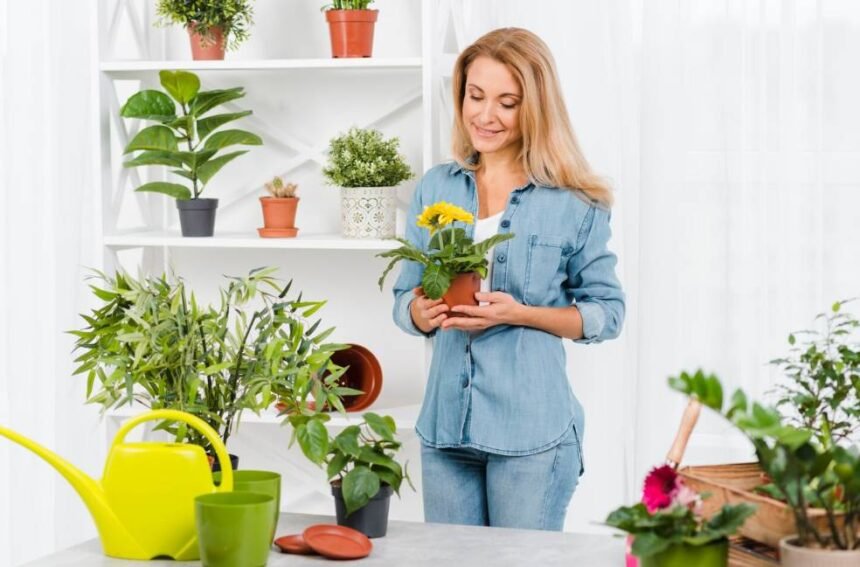
Gardening can be incredibly rewarding, but it comes with challenges. Not every garden receives abundant sunlight, and water can sometimes be scarce. However, with the right care and practical strategies, you can maintain a thriving garden even in these conditions. Knowing which plants to choose, how to water efficiently, and how to adjust care routines can make all the difference.
Choose Plants That Suit Your Environment
The first step in successful gardening is selecting plants that naturally thrive in low sunlight or limited water conditions. Choosing the right plants reduces the effort needed to maintain them.
Plant selection tips
- Drought-tolerant plants such as lavender, sedum, or rosemary require minimal water
- Tolerant plants like ferns, hostas, and impatiens thrive in limited sunlight
- Mix perennials with annuals for year-round interest
- Consider native plants as they adapt well to local conditions
Selecting suitable plants ensures your garden remains healthy and vibrant even under challenging conditions.
Improve Soil Health
Healthy soil is essential for plant growth. Rich, well-draining soil holds water effectively while providing nutrients.
Soil tips
- Use organic compost to improve fertility and moisture retention
- Mulch soil surfaces to reduce evaporation
- Avoid compacted soil by aerating regularly
- Consider adding sand or perlite for better drainage in clay-heavy soil
Nurturing your soil is a simple way to give plants the best chance to thrive with limited resources.
Efficient Watering Techniques
Watering is critical when sunlight or rainfall is limited. Using efficient methods ensures plants receive enough moisture without wastage.
Watering tips
- Water early in the morning or late in the evening to reduce evaporation
- Focus water at the base of plants rather than overhead
- Group plants with similar water needs together for efficiency
- Consider drip irrigation or soaker hoses to conserve water
Consistent and efficient watering keeps plants healthy while saving water and effort.
Mulch For Moisture And Protection
Mulching is an effective way to retain soil moisture and regulate temperature. It also suppresses weeds that compete for water.
Mulching tips
- Use bark chips, straw, or leaf mulch around plants
- Apply a layer 5 to 10 centimetres thick for maximum effect
- Refresh mulch annually or as needed
- Keep mulch slightly away from plant stems to prevent rot
Mulching improves water efficiency and protects plants from extreme conditions.
Maximise Limited Sunlight
Even gardens with limited sunlight can thrive with strategic placement and plant choice.
Sunlight tips
- Place sun-loving plants in areas that receive the most light
- Use reflective surfaces, such as light walls, to increase available light
- Trim overhanging branches that block sunlight
- Rotate potted plants periodically to ensure even growth
Smart positioning helps plants make the most of the sunlight available.
Prune Regularly
Pruning encourages healthy growth and improves air circulation. Removing dead or overgrown parts reduces stress on plants.
Pruning tips
- Cut back dead, damaged, or diseased branches
- Remove excess growth to allow light and air to reach the inner leaves
- Prune flowering plants after they bloom to encourage new buds
- Use clean, sharp tools to avoid injury to plants
Regular pruning keeps plants vigorous and more resilient under limited resources.
Fertilise Appropriately
Providing the right nutrients supports plant growth, especially when conditions are not ideal.
Fertilising tips
- Use slow-release fertilisers to provide steady nutrients
- Apply according to plant type and growth stage
- Avoid over-fertilising, which can harm roots or lead to weak growth
- Consider organic options such as compost tea or seaweed extract
Proper nutrition strengthens plants and enhances their ability to withstand stress.
Protect Plants From Pests And Diseases
Plants under stress from limited sunlight or water can be more vulnerable to pests and diseases.
Protection tips
- Inspect plants regularly for signs of pests or disease
- Remove affected leaves promptly
- Use natural pest deterrents such as neem oil or companion planting
- Encourage beneficial insects like ladybirds to control pests
Early intervention prevents problems from spreading and keeps your garden healthy.
Use Containers And Raised Beds
Containers and raised beds are ideal for managing water and light conditions. They allow better control of soil and positioning.
Container gardening tips
- Use pots with drainage holes to prevent waterlogging
- Choose lightweight containers for easy movement to sunnier spots
- Raised beds improve drainage and can be enriched with compost
- Group containers to create microclimates that retain humidity
This approach gives flexibility and improves plant survival in challenging conditions.
Observe And Adapt
Gardening is an ongoing learning process. Observing plant health and adjusting care routines helps you respond to changing conditions.
Observation tips
- Track watering needs according to weather changes
- Notice which plants thrive and which struggle
- Adjust fertilising, pruning, or positioning accordingly
- Keep a simple journal to record successes and challenges
Being attentive ensures your garden adapts and continues to flourish.
Final Thoughts
Maintaining a thriving garden with limited sunlight or water is possible with the right approach. By selecting suitable plants, improving soil, using efficient watering, mulching, and placing plants thoughtfully, you can enjoy a healthy and vibrant garden. Regular pruning, proper fertilising, pest management, and container gardening further enhance plant survival and growth.
Observing and adapting to your garden’s specific conditions ensures it remains resilient and flourishing. With these practical tips, you can create a garden that is beautiful, productive, and sustainable, even when resources are limited.