

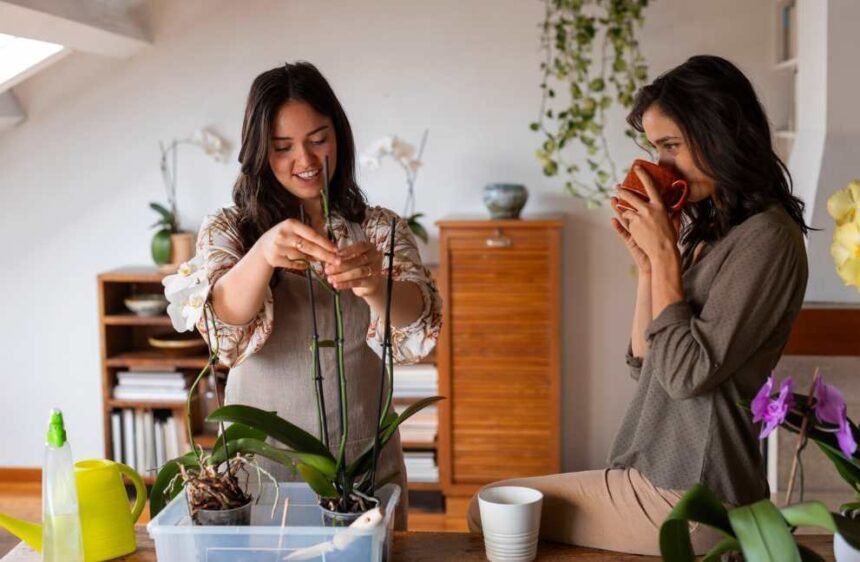
Indoor gardening is a beautiful way to bring life, freshness, and calm into your home. Many people think growing plants indoors requires hours of work, expensive equipment, or expert knowledge, but it doesn’t. With the right plant choices, simple routines, and proper placement, anyone can create a thriving indoor garden that brightens their space and lifts their mood.
Indoor greenery doesn’t just look lovely, it purifies the air, improves your wellbeing, and creates a sense of calm. Here’s how to get started, even if you’re a beginner.
Choose Easy-to-Care-For Plants
The first step is choosing plants that are forgiving and low-maintenance. Starting with hardy options helps you build confidence and ensures a rewarding experience.
Recommended beginner-friendly plants:
- Snake plant: tolerates low light and irregular watering
- Pothos: fast-growing and adaptable to various conditions
- Spider plant: resilient and air-purifying
- ZZ plant: nearly indestructible, thrives in low light
- Peace lily: adds elegance and can survive occasional forgetfulness
Starting small with these plants makes indoor gardening enjoyable and stress-free.
Understand Light Requirements
Light is one of the most important factors for indoor plants. Observing the natural light in your home helps you place plants where they thrive.
Light tips:
- South-facing windows suit high-light plants
- East or west-facing windows are ideal for medium-light plants
- Low-light plants can live in corners or shaded spots
- Rotate plants occasionally for even growth
Matching plants to their ideal light reduces stress and keeps them healthy with minimal effort.
Use Proper Pots and Drainage
Good pots and drainage are essential for healthy plants. Standing water or poor soil aeration are common causes of plant problems.
Pot tips:
- Always use pots with drainage holes
- Place saucers underneath to protect surfaces
- Choose appropriately sized pots for each plant
- Consider self-watering pots for extra convenience
Proper pots make watering easier and protect both plants and your home.
Water Plants Correctly
Overwatering is a common mistake. Knowing your plant’s needs ensures they stay healthy without extra work.
Watering tips:
- Check soil moisture before watering
- Water thoroughly, then allow excess to drain
- Reduce watering in winter when growth slows
- Group plants with similar water requirements
Simple routines prevent over- or under-watering and keep plants thriving.
Fertilise Sparingly
Indoor plants need occasional feeding, but too much fertilizer can harm them.
Fertilizing tips:
- Use a balanced liquid fertilizer once a month during the growing season
- Reduce feeding in winter
- Avoid fertilizing stressed or newly repotted plants
- Watch for nutrient deficiency signs
Moderate fertilizing supports growth without adding extra work.
Create a Consistent Care Routine
Consistency is key. Short, regular care sessions beat long, irregular maintenance.
Routine tips:
- Water plants on set days each week
- Wipe leaves with a damp cloth to remove dust
- Trim dead or yellowing leaves regularly
- Inspect for pests once a week
A simple routine keeps your indoor garden healthy and manageable.
Choose Indoor-Friendly Soil
The right soil provides proper drainage, nutrients, and aeration—essential for indoor plants.
Soil tips:
- Use high-quality potting mix for indoor plants
- Add perlite or sand for better drainage if needed
- Avoid heavy garden soil
- Repot every 1–2 years to refresh the soil
Good soil reduces stress and keeps plants happy longer.
Position Plants Strategically
Where you place your plants affects their growth and your home’s style.
Placement ideas:
- Create a green corner in living rooms or bedrooms
- Use trailing plants on shelves for visual interest
- Place small plants on windowsills for natural light
- Group plants together to create a mini microclimate
Thoughtful placement effortlessly combines practicality and style.
Monitor for Pests and Issues
Even indoor plants can get pests. Regular observation helps you catch problems early.
Pest tips:
- Inspect leaves and stems weekly
- Treat minor infestations with soapy water
- Quarantine new plants before introducing them
- Remove damaged leaves promptly
Early attention prevents bigger problems later.
Enjoy Your Indoor Garden
Indoor gardening is meant to be fun and relaxing. Start small, experiment, and watch your plants grow.
Enjoyment tips:
- Arrange and display plants creatively
- Try new plants gradually
- Use greenery to brighten your space and boost your mood
- Appreciate growth and seasonal changes
Creating an indoor garden is as much about personal joy as it is about plant care.
Final Thoughts
Indoor gardening doesn’t need to be complicated or time-consuming. By choosing hardy plants, understanding light, using proper pots and soil, watering correctly, and following a simple routine, even beginners can maintain a beautiful, low-maintenance indoor garden.
Add occasional fertilizing, monitor for pests, and position plants thoughtfully to maximize their health and beauty. With these tips, indoor gardening becomes a relaxing, rewarding hobby that brings life, calm, and style into your home.