

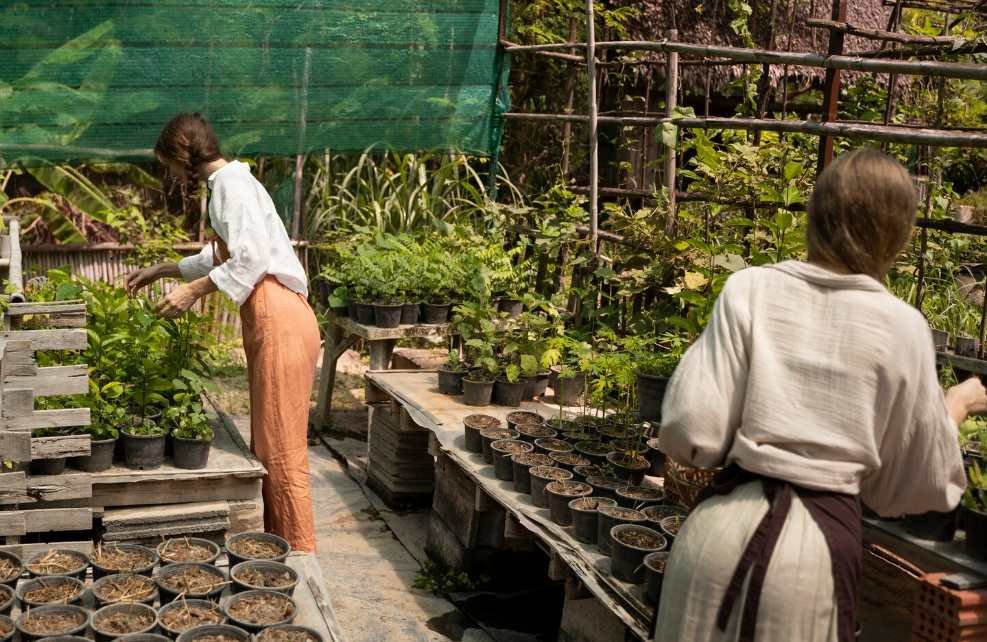
A well-designed garden is more than just a collection of plants. It’s a reflection of your personality, a space that complements your home, and a place that thrives naturally in the conditions you have. Whether you have a tiny courtyard, a medium backyard, or a larger plot, creating a thoughtful garden plan tailored to your space and sunlight will ensure a beautiful, functional outdoor area you’ll love spending time in.
Many of us struggle with garden planning because we pick plants that don’t suit the light levels or overcrowd the space. By taking the time to observe, plan, and organize, you can create a garden that flourishes year after year with minimal stress.
Assess Your Space
The first step to a thriving garden is knowing your space inside out. Accurate measurements and careful observations guide every decision.
Steps to assess your garden:
- Measure the length and width of each area
- Note slopes, pathways, fences, or structures
- Identify sunny and shady spots
- Check soil type and drainage
- Make a rough sketch to visualize your layout
Knowing your space ensures that every plant is in the right spot and you make the most of every corner.
Observe Sunlight Patterns
Sunlight is everything in gardening. Different plants need different amounts of light, so observing your garden’s sun exposure is crucial.
Sunlight tips:
- Track sunlight at different times of the day
- Mark areas with full sun, partial shade, or full shade
- Watch how sunlight and shadows change with the seasons
- Consider trees, buildings, or fences that cast shade
When you choose plants suited to their light conditions, they grow happily without constant fussing.
Decide on Your Garden Style
Having a style in mind makes plant selection, layout, and decorative choices much easier. Your garden should complement your home and lifestyle.
Popular garden styles:
- Cottage garden – informal, colorful, and full of charm
- Minimalist garden – clean lines, low maintenance, simple beauty
- Wildlife garden – designed for birds, bees, and butterflies
- Modern garden – structured borders, geometric layouts
A clear style prevents a disorganized garden and helps you confidently choose plants and features.
Plan Zones and Layout
Dividing your garden into zones keeps it organized and ensures every part is functional and attractive.
Common zones:
- Seating or relaxation area
- Vegetable or herb plot
- Flower beds or borders
- Lawn or open space
- Pathways and access areas
Zoning makes planting and design decisions easier while making sure each section has a purpose.
Choose Plants According to Sunlight and Soil
Once you know your garden’s light and soil, pick plants that will thrive naturally. This reduces stress and constant replacement.
Plant selection tips:
- Full sun: lavender, roses, sun-loving perennials
- Partial shade: ferns, hostas, hydrangeas
- Full shade: hellebores, ivy, moss
- Consider your soil: clay, sandy, loamy, or acidic
Choosing suitable plants sets your garden up for long-term success.
Consider Plant Heights and Growth Patterns
A visually appealing garden needs structure and flow. Think about height and growth habits.
Height and growth tips:
- Taller plants at the back of beds or along fences
- Medium height in the middle
- Low-growing plants at the front or edges
- Trailing plants for walls, containers, or hanging baskets
Arranging plants by height and shape gives a layered, balanced look and ensures light reaches every plant.
Plan for Year-Round Interest
A garden that looks good all year is a joy to live with. Mix plants for seasonal color, texture, and interest.
Year-round planning:
- Early spring bulbs: daffodils, tulips
- Summer flowers: perennials or annuals
- Autumn foliage and berries
- Evergreen shrubs for winter structure
Mixing seasonal plants keeps your garden lively, even in the colder months.
Add Pathways and Hard Landscaping
Paths, patios, and other hard landscaping add structure, improve accessibility, and enhance your garden’s functionality.
Hard landscaping ideas:
- Gravel or stone paths for low maintenance
- Wooden decking for seating areas
- Raised beds or retaining walls for structure
- Garden edging to define zones
These features make your garden practical and visually appealing.
Incorporate Containers and Raised Beds
Containers and raised beds are perfect for small spaces or tricky soil. They’re ideal for herbs, vegetables, or decorative plants.
Container and raised bed tips:
- Use a mix of sizes and heights
- Group containers for impact and easy care
- Rotate plants seasonally for continuous interest
- Raised beds improve drainage and reduce soil compaction
These flexible features maximize space and simplify maintenance.
Keep Maintenance in Mind
A garden is only enjoyable if it’s manageable. Think about how much time you can dedicate to watering, pruning, and feeding.
Maintenance tips:
- Choose low-maintenance plants if you’re busy
- Mulch beds to retain moisture and reduce weeds
- Group plants with similar water and sunlight needs
- Schedule seasonal pruning and feeding
A balance of beauty and practicality ensures your garden is stress-free and sustainable.
Review and Adjust Your Plan
Gardens are living, changing spaces. Observe, adapt, and tweak as needed.
Adjustment ideas:
- Move plants struggling in certain light conditions
- Add seasonal color to refresh borders
- Adjust paths or seating for better use
- Replace plants that don’t thrive
Flexibility allows your garden to evolve and remain a source of joy.
Final Thoughts
Creating a garden plan tailored to your space and sunlight is the key to a thriving, beautiful outdoor space. By assessing your garden, observing sunlight, choosing suitable plants, organizing zones, and incorporating practical features such as paths and containers, you can enjoy a vibrant, manageable garden year-round.
Remember: your garden should reflect your style, enhance your home, and be a space that brings you peace, not stress. With thoughtful planning, a little observation, and a flexible approach, your garden can flourish naturally and beautifully.